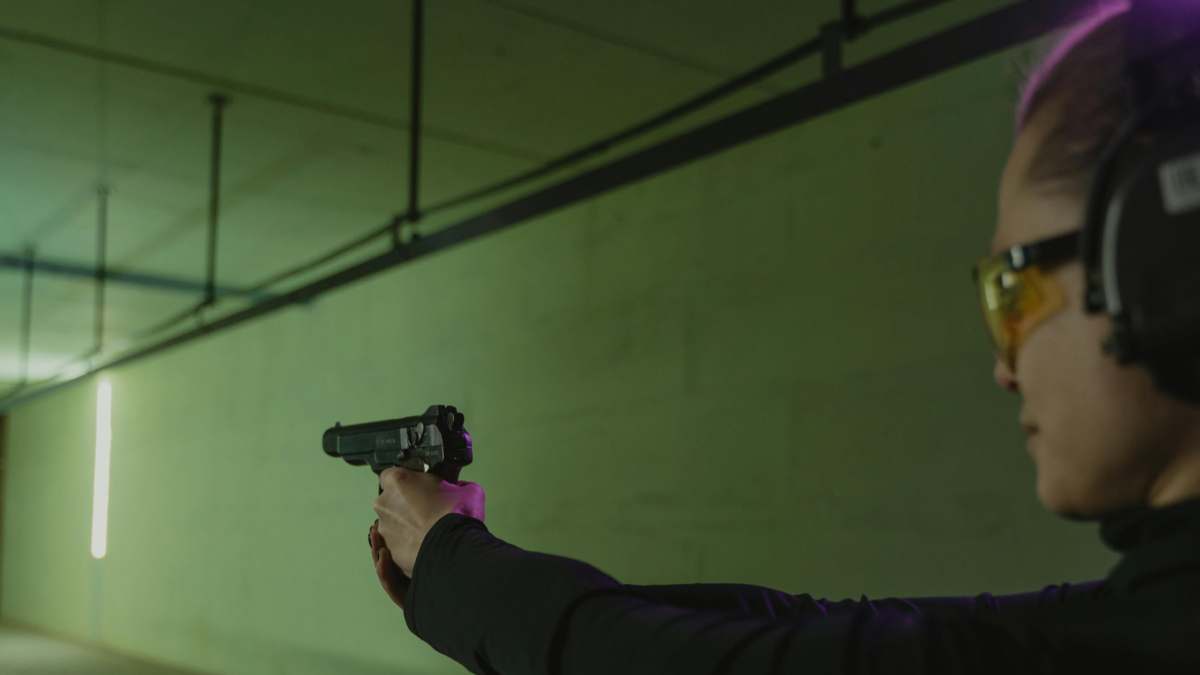
Dry Fire Training

Categories
Dry Fire Training

What Is Dry Fire Training in Pistol Shooting? Benefits & Best Practices (10m Air Pistol)

In Olympic pistol shooting, improvement does not come from firing more pellets — it comes from refining the process. One of the most powerful and scientifically proven ways to do this is dry fire training. 

Dry fire training means practising all elements of a shot without firing a pellet. While it may look simple, it is the method most relied upon by elite shooters worldwide. 

At Ronak Pandit Shooting Centre (RPSC), dry fire is not optional — it is the foundation of skill development.  

🎯 What Exactly Is Dry Fire Training? 

Dry fire training involves executing the complete shooting process without a live shot, including: 

  • Stance and balance 
  • Grip pressure and alignment 
  • Aiming and sight picture 
  • Trigger movement 
  • Follow-through 
  • Breathing and mental routine 

There is no sound, recoil, or score — only pure technique and awareness. 

This allows the shooter to focus entirely on how the shot is executed, not where it lands.  

🧠 Why Dry Fire Training Is So Effective 

1. 100% Focus on Technique 

During live firing, the mind naturally shifts to outcome: 

  • Score 
  • Shot location 
  • Target reaction 

Dry fire removes these distractions. The athlete’s attention stays completely internal — on grip feel, sight stability, and trigger movement. 

This is where real technical improvement happens.  

2. No Score or Outcome Pressure 

Scores create emotional reactions — excitement, frustration, anxiety. 

Dry fire eliminates: 

  • Performance anxiety 
  • Score chasing 
  • Fear of bad shots 

This makes training calmer, more mindful, and far more productive.  

3. Builds Perfect Motor Patterns 

Every repetition trains the nervous system. 

Dry fire allows: 

  • Slow, precise repetitions 
  • Correction of errors immediately 
  • Reinforcement of correct movement 

Over time, the body learns efficient, repeatable execution, which becomes automatic during competition.  

4. Ideal for Beginners and Elite Shooters 

Dry fire benefits all levels: 

Beginners 

  • Learn correct fundamentals early 
  • Avoid developing bad habits 
  • Build confidence without pressure 

Elite Shooters 

  • Refine fine motor control 
  • Maintain technique during heavy competition phases 
  • Recover from technical issues 

This is why elite shooters may spend 60–80% of their training time in dry fire.  

🔄 Dry Fire vs Live Fire: Understanding the Difference 

Dry Fire  Live Fire 
Skill development  Skill validation 
Process focus  Outcome focus 
Internal awareness  External feedback 
Low pressure  Higher emotional load 

Dry fire creates skill. Live fire only measures it. 

Both are important — but dry fire is where skills are built.  

🧩 Best Practices for Effective Dry Fire Training 

1. Structured Drills 

Dry fire must be planned, not random. 

Effective dry fire includes: 

  • Defined goals per session 
  • Specific focus areas (trigger, hold, balance) 
  • Limited but high-quality repetitions 

Unstructured dry fire loses effectiveness quickly.  

2. Full Mental Engagement 

Dry fire works only when the mind is fully present. 

Athletes must: 

  • Visualise the shot 
  • Follow the complete routine 
  • Treat every repetition like a match shot 

Mindless repetitions create mindless habits.  

3. Coach Supervision and Feedback 

Dry fire is where small errors can go unnoticed. 

Coach supervision ensures: 

  • Correct posture and grip 
  • Proper trigger movement 
  • Timely corrections before habits set in 

At RPSC, dry fire is closely monitored — especially for developing shooters.  

4. Quality Over Quantity 

More repetitions do not mean better training. 

Effective dry fire prioritises: 

  • Fewer, perfect repetitions 
  • Adequate rest between sets 
  • Awareness of fatigue 

Once focus drops, dry fire loses its value.  

🧠 Mental Benefits of Dry Fire Training 

Beyond technique, dry fire also trains the mind: 

  • Improves concentration 
  • Enhances mindfulness 
  • Builds emotional control 
  • Strengthens confidence in process 

It teaches shooters to trust execution — not chase results.  

🏆 How RPSC Uses Dry Fire to Build Champions 

At Ronak Pandit Shooting Centre, dry fire is integrated into: 

  • Daily training routines 
  • Beginner foundation programs 
  • Technique correction phases 
  • Competition preparation cycles 

Our philosophy is simple: 

Perfect practice builds reliable performance. 

Dry fire allows us to build that perfection, shot by shot.  

🔚 Final Takeaway 

Dry fire training is not “practice without shooting” —
it is practice without distraction. 

When done correctly, it: 

  • Builds flawless technique 
  • Sharpens focus 
  • Reduces pressure 
  • Creates confident, consistent shooters 

In Olympic pistol shooting, the quietest training method often produces the loudest results. 

Champions are built in silence — one perfect dry shot at a time. 

Categories
Dry Fire Training

Why Dry Fire Training is the Secret Weapon of Champion Shooters 

In Olympic shooting, precision is everything. A single millimeter can separate a podium finish from an average score. And while beginners often assume that shooting more bullets equals better performance, elite shooters know a different truth:

Dry fire training is one of the most powerful ways to improve shooting skills — sometimes even more effective than live firing.

At Ronak Pandit Shooting Centre (RPSC), we strongly emphasis dry training because it builds the foundation every champion needs: perfect technique, sharp focus, and deep mental control.

✅ What is Dry Fire Training?

Dry fire training means practicing your shooting technique without firing a live shot.

It includes:

  • Holding technique
  • Sight alignment & aiming
  • Trigger control
  • Breath rhythm
  • Follow-through
  • Body stability & balance
  • Mental rehearsal of the shot routine

No noise. No recoil. No scorecards. Just pure technique and mental refinement.

🎯 Why Dry Fire Works Better Than Live Shooting

Many athletes think improvement only happens when the bullet hits the target. But in reality, skills improve when you focus on the process — not the result.

During live shooting, the mind naturally chases outcomes:

  • Where did the shot go?
  • Was it a 10 or a 9?
  • Why did my group shift?

This outcome-pressure makes shooters externally focused.

Dry fire flips that equation.

🧠 Dry Fire = Total Internal Focus

When there is no bullet, the shooter can focus entirely on:

  • Feel of the trigger
  • Stability of the hold
  • Smoothness of breathing
  • Consistency in follow-through
  • Body awareness and balance
  • Calm and structured process

This internal focus builds deeper motor control, stronger neural pathways, and true technical mastery.

🔄 Live Fire = Outcome Focus

Live firing is essential — but it shifts attention outward:

Dry Fire Focus Live Fire Focus
Process Result
Technique Score
Internal awareness Target reaction
Execution quality Bullet impact

Both are necessary. But improvement comes from process, and dry fire is where the process is perfected.

🧱 Why Beginners Must Priorities Dry Fire

For new and developing shooters, dry fire is even more crucial.

  • It builds correct habits from day one
  • Prevents score obsession too early
  • Strengthens fundamentals without distraction
  • Trains consistency and patience
  • Reduces early-stage performance anxiety
  • A strong foundation in dry fire prevents bad habits that are difficult to correct later.

At RPSC, young shooters spend significant time on dry drills before consistently firing live rounds — and the results speak for themselves.

💪 Benefits of Dry Fire Training

Benefit Why It Matters
Improves technique fast No distraction from scoring
Boosts mental discipline Focus stays internal
Enhances muscle memory Perfect repetitions create perfect habits
Saves cost & resources Train anywhere, anytime
Reduces pressure Makes training calm and mindful
Strengthens confidence Clear understanding of your process

Dry fire is the gym workout of shooting — the place where strength is built.

📊 How Champions Use Dry Fire

At world-class level, shooters often train:

  • 70–80% dry fire
  • 20–30% live fire

Why?

Because technique wins medals, and technique is built through mindful repetition — not scoring hundreds of bullets.

⚖️ Balance is Key — But Foundation is Dry

Live firing is essential for:

  • Competition rhythm
  • Score analysis
  • Weapon feedback
  • Pressure training

However, it should never replace dry practice.
Dry fire is the heart of development. Live fire is the test.

💡 RPSC Training Philosophy

At Ronak Pandit Shooting Centre, we follow a scientifically-designed model:

  • Structured dry fire routines
  • Process-driven training
  • Video analysis & technique correction
  • Mindfulness & breathing practice
  • Progressive shift into live shooting

This ensures shooters develop unshakable fundamentals and consistent high-performance habits.

🏆 Final Takeaway

Bullets don’t make champions.
Perfect technique does.

And perfect technique is built through:

  • Repetition
  • Process focus
  • Internal awareness
  • Dry fire discipline

If you want long-term success in shooting, remember:

Train dry to shoot strong.

📞 Train the Right Way at RPSC

Join RPSC and learn the exact training methods used by elite Indian and international shooters.

✅ Scientific dry fire programs
✅ Mental and technical coaching
✅ Progressive skill development
✅ World-class training environment

📩 Enroll now and build your foundation like a champion.