
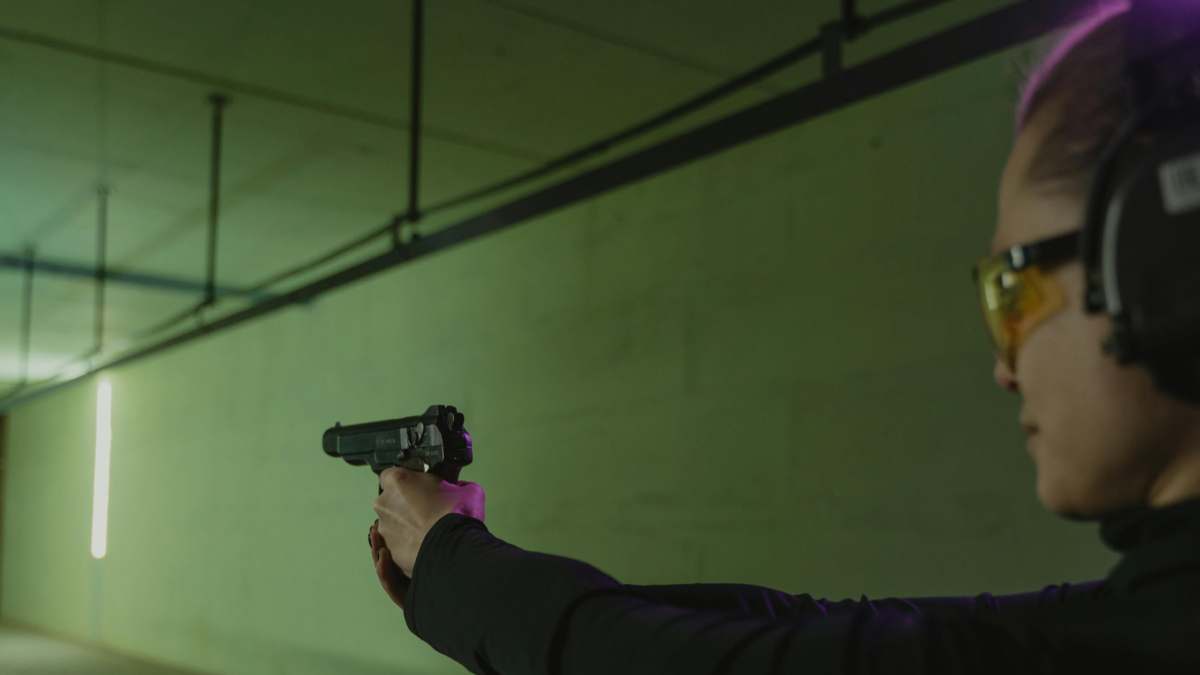
One of the most common questions parents ask is: “Will shooting sports affect my child’s studies?”
The question itself is legitimate. The situation usually leads to the opposite outcome.
Students who take part in shooting sports develop better self-control abilities which help them maintain a peaceful state of mind. The skills enable shooters to perform better at the shooting range and they lead to improved academic results and job preparation.
What Makes Shooting Sports Different from Other Activities?
Shooting Sports need athletes to maintain complete stillness while they wait for their minds to achieve full mental control which differs from the requirements of fast-moving sports.
There is no rush.
No random movement.
No distraction allowed.
Each shot requires:
- Full concentration
- Controlled breathing
- Clear decision-making
The brain develops the capacity to maintain concentration during extended periods of time through this repeating training process which teaches a skill that exists in only a few people yet remains essential for present-day society.
How Shooting Sports Improve Focus in Students
Focus is not something students are born with. It is built through consistent practice.
1. Training the Brain to Stay on One Task
In Shooting Sports, a shooter cannot think about multiple things at once.
It’s always:
- One shot
- One process
- One moment
Students develop this habit through their studies, which teach them to:
- Focus on one subject at a time
- Avoid multitasking
- Complete tasks with better accuracy
2. Increasing Concentration Span
Each shot may take 30–40 seconds of complete attention. Now multiply that over dozens of shots.
The process teaches students to study for extended times while their brains develop the capacity to maintain concentration:
- Sit longer during study sessions
- Avoid distractions like mobile phones
- Understand concepts more deeply
3. Building Patience and Consistency
Shooting Sports require athletes to practice their skills multiple times to achieve success. The same process is practiced again and again.
This builds:
- Patience
- Consistency
- Trust in practice
In academics, this translates into:
- Regular revision habits
- Better problem-solving
- Long-term retention of concepts
The Direct Impact of Shooting Sports on Academic Performance
Shooting Sports training leads to academic improvement for students who take part in shooting sports.
Why?
Because they develop:
- Better focus during lectures
- Improved memory retention
- Reduced exam stress
- Higher confidence
A student who can control their mind under pressure on the range can handle exam pressure much more effectively.
Life Skills Learned Through Shooting Sports
The benefits of Shooting Sports go far beyond academics.
1. Decision-Making Under Pressure
Every shot is a decision:
- Take the shot or wait
- Continue or reset
This improves judgment, which is useful in:
- Competitive exams
- Interviews
- Workplace situations
2. Emotional Control and Stability
Not every shot will be perfect.
Shooters learn to:
- Accept mistakes
- Stay calm
- Refocus quickly
This emotional control helps students avoid panic during exams and stressful situations.
3. Discipline and Time Management
Regular practice builds structured habits.
Students become more disciplined in:
- Managing study time
- Balancing activities
- Following routines
These habits are essential for long-term success.
A Practical Example: How Shooting Changes Thinking
Consider this situation: A shooter misses a shot.
Instead of reacting emotionally, they analyze:
- What caused the mistake?
- Was it focus, grip, or timing?
- What can be improved in the next shot?
Now apply the same thinking to academics:
- Low score in a test
- Difficulty in a subject
Instead of stress, the student learns to:
- Analyze the problem
- Correct mistakes
- Improve performance
This problem-solving mindset is one of the biggest advantages of Shooting Sports.
Why Professional Training Matters
At structured training centers like Ronak Pandit Shooting Centre, students are trained not just physically but mentally.
They learn:
- How to stay focused under pressure
- How to build consistent routines
- How to manage distractions
This combination of mental and physical training creates well-rounded individuals who perform better in both sports and studies.
Common Myths About Shooting Sports and Studies
Let’s clear a few misconceptions:
Myth 1: Shooting distracts students from studies
Reality: It improves focus and discipline.
Myth 2: It takes too much time
Reality: It teaches time management.
Myth 3: It adds pressure
Reality: It helps students handle pressure better.
How Students Can Balance Shooting Sports and Academics
Balance is key.
Students can manage both effectively by:
- Setting fixed study hours
- Maintaining a consistent practice schedule
- Prioritizing academics during exams
- Avoiding unnecessary distractions
In fact, students involved in Shooting Sports often manage time better than others.
Final Thoughts
Shooting Sports are not just about hitting a target. They are about building focus, discipline, and mental clarity.
These are the exact skills students need to succeed in:
- Academics
- Competitive exams
- Careers
When practiced correctly, shooting does not take away from studies. It strengthens the mindset required to excel in them.
