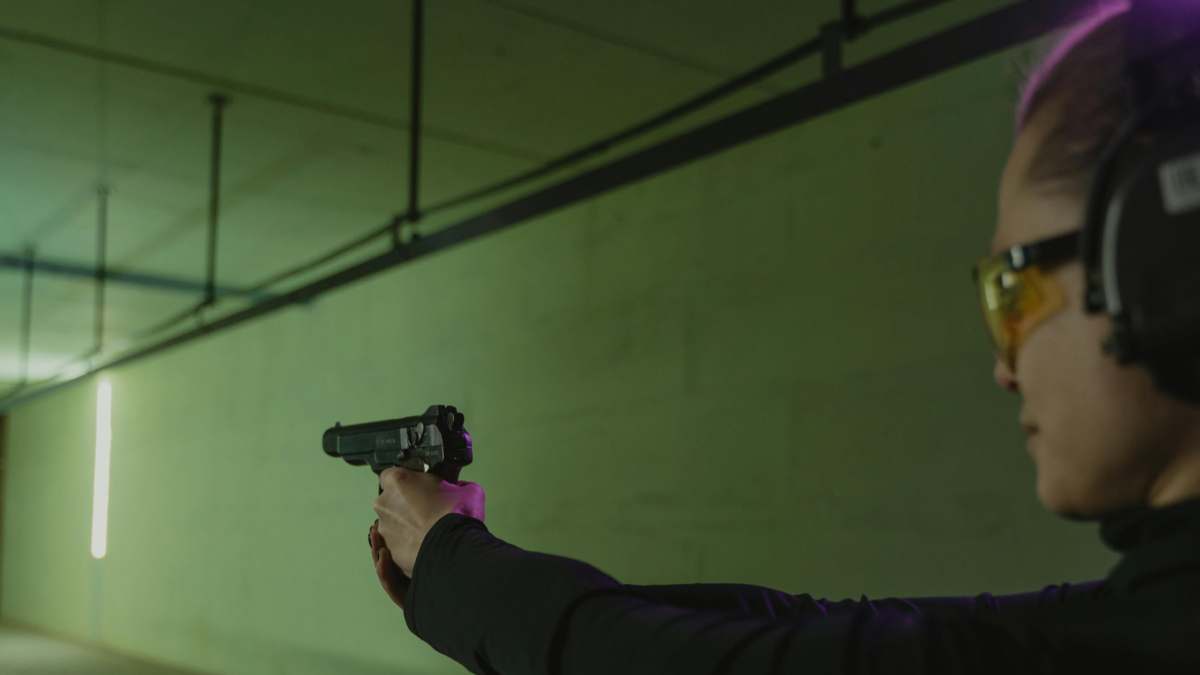
Pistol Shooting

Categories
Pistol Shooting

Is Pistol Shooting a Good Career in India? A Realistic and Long-Term Perspective

For many years, pistol shooting in India was seen only as a hobby or a short-term competitive pursuit. Today, that perception has changed dramatically. With India’s growing success in Olympic shooting, improved infrastructure, and structured athlete pathways, pistol shooting has evolved into a serious and viable professional career option. 

At Ronak Pandit Shooting Centre (RPSC), we view shooting not just as a sport — but as a long-term profession for disciplined and committed athletes.  

🇮🇳 Why Pistol Shooting Has Grown as a Career in India 

Over the last decade, Indian shooting has seen: 

  • Consistent international medals 
  • Increased government and federation support 
  • Improved access to professional academies 
  • Greater public awareness of Olympic sports 
  • Clearer athlete development pathways 

As a result, pistol shooting today offers multiple career avenues, not limited to winning medals alone.  

🎯 Career Opportunities in Pistol Shooting 

1. National & International Competitive Shooting 

The primary career pathway for elite shooters is competitive sport. 

Opportunities include: 

  • Representing India at World Cups, Asian Games, Commonwealth Games, and Olympics 
  • Competing at National Championships and selection trials 
  • Receiving performance-based funding and incentives 

Elite shooters gain: 

  • National recognition 
  • Financial rewards and grants 
  • Long-term sporting credentials  

2. Government Jobs Through Sports Quota 

One of the strongest career supports for shooters in India is government employment under sports quota. 

Shooter-friendly sectors include: 

  • Railways 
  • Public sector undertakings (PSUs) 
  • State and central government departments 

These jobs provide: 

  • Stable income 
  • Job security 
  • Continued support for training and competition 

Many shooters successfully balance professional employment with high-level competition.  

3. Defence, Police & Paramilitary Services 

Pistol shooters are highly valued in: 

  • Indian Army 
  • Police forces 
  • CAPFs and paramilitary services 

Why shooters fit well here: 

  • Exceptional discipline and focus 
  • Calm decision-making under pressure 
  • Precision and mental control 

Many shooters build respected, long-term careers in uniformed services while continuing to compete nationally.  

4. Sponsorships, Incentives & Financial Support 

As shooting visibility increases, talented athletes gain access to: 

  • Corporate sponsorships 
  • State sports incentives 
  • Federation support programs 
  • Performance-linked scholarships 

While sponsorships are performance-dependent, they provide additional income and recognition at higher levels.  

5. Coaching, Academies & Professional Roles 

Competitive shooting careers naturally evolve into coaching and leadership roles. 

Experienced shooters can become: 

  • Certified coaches 
  • Academy trainers 
  • Technical advisors 
  • Talent development specialists 

Professional academies like RPSC rely on former elite shooters to guide the next generation, making coaching a respected and sustainable career extension.  

🧠 Skills Shooting Builds Beyond Competition 

Even for athletes who do not remain full-time competitors, shooting builds skills that translate into strong professional careers: 

  • Discipline and work ethic 
  • Emotional control under pressure 
  • Focus and consistency 
  • Respect for process and systems 

These qualities make shooters successful in diverse fields – from management to defence services.  

⚖️ The Reality: Shooting Is a Career for the Committed 

It is important to be honest – pistol shooting is not a quick or casual career. 

Success requires: 

  • 5–10 years of structured training 
  • Consistent performance under pressure 
  • Mental resilience through setbacks 
  • Professional coaching and support 

However, for athletes willing to commit, shooting offers rare long-term stability compared to many other individual sports.  

🏆 Why Professional Training Matters for Career Success 

Career sustainability depends heavily on: 

  • Correct foundation training 
  • Injury and burnout prevention 
  • Mental conditioning 
  • Long-term performance planning 

At Ronak Pandit Shooting Centre, athletes are trained with a career-first mindset, not just short-term results.  

🔚 Final Verdict: Is Pistol Shooting a Good Career in India? 

Yes - pistol shooting is a strong and respectable career option in India for athletes who approach it professionally. 

It offers: 

  • Competitive success opportunities 
  • Government and defence employment 
  • Financial incentives and sponsorships 
  • Coaching and leadership pathways 
  • Long-term personal and professional growth 

Shooting is not a gamble – it is a profession built on discipline, patience, and excellence.  

🎯 RPSC’s Perspective 

At Ronak Pandit Shooting Centre, we prepare athletes not just to win matches – but to build sustainable careers in shooting. 

Our focus is on: 

  • Long-term athlete development 
  • Career planning alongside performance 
  • Mental and technical excellence 
  • Responsible, professional sporting culture 

Because a shooting career is not about one medal – it is about a lifetime of discipline and respect. 

Categories
Pistol Shooting

Safety Rules Every Shooting Athlete Must Know: The Foundation of Olympic Shooting

In Olympic shooting, safety is not optional — it is fundamental.

Before medals, before scores, before technique, comes one non-negotiable principle: safety first. At the highest level of the sport, safety is not just a rulebook requirement — it is a mindset, a culture, and a Safety rules for shooting athletes.

At Ronak Pandit Shooting Centre (RPSC), safety rules for shooting athletes from the foundation upon which skill, confidence, and performance are built. A shooter who respects safety becomes disciplined, trustworthy, and mentally strong — qualities essential for elite competition.

✅ Why Safety Rules for Shooting Athletes Are the First Lesson in Olympic Shooting

Olympic shooting is a precision sport involving highly controlled equipment. While it is extremely safe when practised correctly, it demands absolute awareness and discipline.

Safety rules for shooting athletes ensure:

  • Protection of athletes and coaches
  • A calm, focused training environment
  • Trust within the team and range
  • Consistency in performance
  • Long-term sustainability of the sport

At RPSC, we believe that a safe shooter is a confident shooter.

🧭Core Safety Rules for Shooting Athletes to Follow

1. Always Treat the Gun as Loaded

Even when you know it is empty — behave as if it is loaded.

This mindset builds:

  • Respect for equipment
  • Alertness at all times
  • Zero complacency

In Olympic shooting, awareness is continuous — not occasional. This is one of the most important safety rules for shooting athletes.

2. Never Point the Muzzle at Anything You Don’t Intend to Shoot

The direction of the muzzle defines safety.

At RPSC, athletes are trained to:

  • Always point the gun towards the target or safe zone
  • Never turn with the gun in hand
  • Be conscious of body movement and positioning

This habit becomes instinctive over time.

3. Keep Your Finger Off the Trigger Until Ready to Shoot

Trigger discipline is non-negotiable.

The finger should rest outside the trigger guard until:

  • The athlete is on the firing line
  • The sights are aligned
  • The command to shoot is given

This prevents accidental discharge and reinforces control.

4. Follow Range Commands Without Exception

Range commands exist to protect everyone.

Commands such as:

  • “Load”
  • “Start”
  • “Stop”
  • “Unload”
  • “Cease fire”

must be followed instantly and without hesitation.

At RPSC, athletes are trained to respond automatically — not emotionally.

5. Know Your Equipment Thoroughly

Understanding your firearm or airgun is part of safety.

Athletes must know:

  • How to load and unload safely
  • How to check chamber and safety mechanisms
  • How to store and transport equipment correctly

Knowledge removes fear and builds confidence.

6. Maintain Safe Handling Off the Firing Line

Safety does not stop when shooting ends.

This includes:

  • Safe carrying positions
  • Using safety flags when required
  • Storing ammunition separately
  • Keeping equipment secured

Professional shooters respect safety everywhere — not only during competition.

7. Mental Safety: Stay Calm, Focused, and Aware

Safety is also mental.

Distraction, fatigue, frustration, or overexcitement can lead to mistakes. Athletes must learn to:

  • Stay present
  • Follow routines
  • Ask for help when unsure

Mental discipline ensures physical safety.

🔄Why Safety Rules for Shooting Athletes Are Essential for Performance

Many believe safety limits performance. In reality, it enhances it.

When an athlete feels safe:

  • Confidence increases
  • Focus improves
  • Anxiety reduces
  • Execution becomes smoother

A safe environment allows shooters to train harder, longer, and better – all of which are supported by safety rules for shooting athletes.

🏆Safety Culture at Ronak Pandit Shooting Centre (RPSC)

At RPSC, safety rules for shooting athletes are embedded into every level of training:

  • Structured safety education for all beginners
  • Continuous monitoring by qualified coaches
  • Strict adherence to international shooting standards
  • Zero tolerance for unsafe behaviour
  • Regular reinforcement of safety habits

We believe that champions are built on discipline — and discipline begins with safety.

🎯Teaching Safety Rules for Shooting Athletes from Day One

For beginners and young athletes, safety training builds:

  • Responsibility
  • Awareness
  • Respect for sport and equipment
  • Long-term confidence

Good habits formed early prevent errors later and allow athletes to grow without fear.

📊Safety Is a Mark of a True Professional

At the international level, safety is second nature.
Elite shooters are recognised not just for their scores, but for their conduct.

A true champion is someone who makes everyone around them feel safe.

💬Final Thought

Shooting is a sport of precision, discipline, and control — and safety is the thread that holds it all together.

At Ronak Pandit Shooting Centre, we don’t just train shooters to hit targets.
We train them to become responsible, disciplined, and safety-conscious athletes, committed to following safety rules for shooting athletes.

Because in shooting, safety isn’t a rule — it’s a way of life.

🏅Train Safely. Train Smart. Train at RPSC.

Join a training environment where safety, excellence, and professionalism come first.

✅ World-class coaching
✅ International safety standards
✅ Athlete-first approach

Begin your journey the right way — with safety at the core.

Categories
Pistol Shooting

Career in Pistol Shooting in India: How the Sport Opens New Opportunities

Introduction

A career in pistol shooting in India is no longer a faraway dream. Many young shooters today are turning their passion into a real profession. Some aim for medals at the Olympics, while others want to become coaches, referees, or join defense services. This path is not only about sports – it opens doors to jobs, scholarships, and recognition.

At Ronak Pandit Shooting Centre, we see this journey every day. Students walk in with curiosity, pick up the pistol for the first time, and later step out as confident shooters ready for competitions.

If you are curious about learning environments, you can also read our blog on The Best Pistol Shooting Training Centres for Every Age.

Why Choose Pistol Shooting as a Career?

Every sport teaches discipline, but pistol shooting takes it a step further. It sharpens focus, builds patience, and trains the mind to stay calm under pressure. For many shooters, these skills are useful beyond the range.

  • Sports Recognition – National and international medals bring respect and pride.
  • Education Benefits – The Sports quota helps in admissions to schools and colleges.
  • Job Opportunities – Government jobs and defense services recruit skilled shooters.
  • Financial Support – Scholarships and sponsorships ease the path for dedicated athletes.

When a child trains in pistol shooting, they are not just learning a sport – they are also building qualities that shape their career.

Career in Pistol Shooting in India: Main Opportunities

1. Competitive Shooter

The most direct path is competing at the state, national, and international levels. With hard work, shooters can represent India at the Olympics, Asian Games, and Commonwealth Games. Winning medals opens the door to jobs in railways, police, or the armed forces.

For those curious about competitions, our detailed blog How Many Rounds Are in an Air Pistol Shooting? explains the structure of matches.

2. Coaching and Training

Not every shooter chooses the competition route forever. Many later become coaches. At Ronak Pandit Shooting Centre, experienced shooters guide the next generation. A coaching career ensures long-term involvement in the sport.

3. Defense and Police Services

Pistol shooting builds accuracy and discipline, two qualities valued in the Army, Navy, Air Force, and Police. Many athletes join these services through sports quotas.

4. Sports Administration

Some shooters move into management roles in sports federations and academies. Their background helps them create better policies for athletes.

Skills You Gain from Shooting: Career in Pistol Shooting in India

A career in pistol shooting in India is not only about pulling the trigger. It is about the invisible skills that grow over time:

  • Focus like a surgeon – One distraction can cost a point, so shooters learn to keep their minds steady.
  • Patience like a farmer – Just as crops take time, results in shooting come slowly. Training teaches endurance.
  • Calmness like water – Even under pressure, shooters must stay cool, just like still water reflects clearly.

These qualities matter in every profession – whether you are an athlete, teacher, or engineer.

How Ronak Pandit Shooting Centre Helps

When choosing a shooting academy, training quality matters. At Ronak Pandit Shooting Centre, we focus on every detail:

  • Structured Coaching – Beginners start with the basics, then move to advanced levels.
  • Professional Guidance – Experienced coaches, including Olympians, train students.
  • Modern Facilities – 10m air pistol ranges with proper equipment.
  • Student Success Stories – Many of our students now compete at the state and national levels.

If you are a beginner, you may also want to check out our blog How to Start Your Journey in Shooting Sports in India.

Path to Start Your Career

If you are wondering how to begin, here is a simple roadmap:

  1. Join a certified shooting academy like Ronak Pandit Shooting Centre.
  2. Learn the basics – stance, grip, breathing, and trigger control.
  3. Take part in local competitions to gain experience.
  4. Move to state and national championships.
  5. Aim for international events with consistent training.

The journey takes time, but every step brings growth.

Challenges You Should Know

Every career has obstacles, and shooting is no different.

  • Cost of Equipment – Pistols and gear can be expensive.
  • Time Commitment – Training requires regular practice.
  • Mental Pressure – Competitions test nerves as much as skills.

We have covered this in detail in our blog How to Stay Focused in Air Pistol Shooting Competitions.

Real Stories from Indian Shooters

  • Abhinav Bindra won India’s first Olympic gold in shooting, proving the sport’s potential.
  • Manu Bhaker started young and became a world-class shooter before turning 20.
  • Ronak Pandit himself transitioned from being a competitive shooter to a coach, inspiring hundreds through his academy.

These stories show that shooting is not just a hobby—it’s a career that shapes futures.

Conclusion

A career in pistol shooting in India is not limited to medals. It is about opportunities, discipline, and personal growth. From representing the country to coaching young athletes, the sport opens many doors.

If you are serious about building a career in this field, start today. Register today at Ronak Pandit Shooting Centre and take your first step toward the shooting range. You may also explore our blog, Best Pistol Shooting Training Centres for Every Age, to learn about the right training environment.

Categories
Pistol Shooting

Trigger Control Secrets: What Science Says About a Perfect Shot

Introduction:

Trigger Control Secrets are not just for elite athletes. They are the difference between a clean bullseye and a frustrating miss. I have seen this again and again as a coach at RP Shooting Centre. A young shooter with a steady stance and perfect breathing still misses because their finger moves just a little too fast or too hard. It is like pushing a door gently versus slamming it – small changes create big results.

In this guide, we will keep it simple. We will use science, easy drills, and real examples to make trigger control feel natural. Whether you are preparing for your first pistol shooting competition or trying to improve your practice scores, these steps will help.

Trigger Control Secrets: The Science Behind a Perfect Shot

Think of the trigger as a handshake with your pistol. Too soft, and it feels weak. Too hard, and it shakes. Science explains why:

1. Biomechanics of Finger Placement

Your trigger finger has tendons connected to your hand and wrist. When you pull sideways or with the wrong part of your finger, those tendons twist your grip. Even a one-degree shift can send your bullet wide. Use the pad of your finger, not the joint, so the pull stays straight back.

2. Neurology: Brain and Finger Connection

Your brain sends tiny signals to your muscles. When you are nervous or rushing, those signals spike. That’s why jerks or slaps happen. Slow, even pressure tells your brain to stay calm. Professional shooters practice slow-fire drills to retrain their reflexes.

3. Physics of the Trigger Pull

A trigger is a lever. Its weight and travel matter. A sudden pull adds torque to the barrel. Smooth pressure keeps the muzzle stable. It is the same reason archers release arrows gently – they do not want to disturb the aim.

Common Mistakes and How to Fix Them

Even experienced shooters slip up. Here’s what I see most often:

  • Jerking or Slapping the Trigger – This is like yanking a fishing line. Your sights jump. Fix it by practicing “surprise breaks”—pull slowly until the shot surprises you.
  • Over – Tightening – Squeezing your whole hand as you pull. Relax your other fingers.
  • Anticipating Recoil – Flinching before the shot. Use the mixed loading drill: load a mix of live and dummy rounds. When the dummy clicks, you will see your flinch.

At RP Shooting Centre, coaches catch these habits fast. Sometimes we record your trigger pull in slow motion. Seeing your own mistake is the fastest teacher.

Perfecting Your Technique: Step-by-Step Guide

When I first trained a student for a 10m air pistol event, she struggled with jerks. We started with a wall drill:

  1. Finger Placement – Touch the trigger with the pad, not the tip or joint.
  2. Rearward Press – Pull straight back. Imagine sliding a drawer instead of pulling a stubborn nail.
  3. Follow-Through – Keep pressure after the shot. Do not let your finger fly off.
  4. Drills – Wall drills build muscle memory. The mixed loading drill fixes flinches. Slow-fire practice builds patience before you move to rapid-fire.

Log your results. Use a notebook or an app to record your groupings. Small, steady improvements matter more than big jumps.

Advanced Tips from Competitive Shooters

I once asked a national-level shooter how he keeps calm under pressure. He said, “I imagine the trigger as a soap bubble. Touch it gently or it pops.” Visualization works. Before a match, close your eyes and picture your perfect pull.

Other pros count a steady rhythm in their heads. One…two…press. It slows down nerves. Watching champions at international events shows how controlled their movements are, even with a timer ticking.

Choosing the Right Trigger for Your Pistol

Not all triggers feel the same. Single-stage triggers break cleanly with one pull. Two-stage triggers have a light take-up before the break. Adjustable triggers let you change weight or travel. Choose what matches your discipline and comfort. If you are unsure, try different pistols at RP Shooting Centre under a coach’s supervision. A trigger that fits your hand and style makes control easier.

Join RP Shooting Centre: Learn from Experts, Sharpen Your Skills

At RP Shooting Centre, we focus on precision and safety. Our experienced coaches teach these secrets every day. Whether you are aiming for your first bullseye or preparing for a championship, you will find guidance, world-class facilities, and a supportive community here. We also run workshops for advanced drills and mental training.

Joining is not just about access to a range. It is about learning with people who understand the sport deeply. Our guide for new shooters explains how to begin your journey. And if you already compete, training alongside top shooters will push you further.

Training Smarter, Not Harder

You do not need to fire 500 rounds every day. Mix live-fire practice with dry-fire drills at home. Add mental rehearsal – close your eyes and feel the perfect trigger press. Set a weekly routine: two dry-fire days, one live-fire session, and one day for reviewing your targets. Analyzing target sheets tells you what is working.

Safety Always Comes First

Never practice trigger work with a loaded pistol at home. Use dummy rounds or ensure your gun is empty. Keep the muzzle pointed in a safe direction. Review range safety rules before every session. Responsible practice keeps everyone safe.

Conclusion:

The science of Trigger Control Secrets proves that tiny changes create perfect shots. A steady, smooth press keeps your sights true and your score high. Practice the drills, learn from your mistakes, and work with experienced shooters who can guide you. Visit RP Shooting Centre to refine your technique and build confidence.

And remember: the trigger is not just a part of the pistol – it is your handshake with the target. Treat it with care, and the bullseye will follow.

Categories
Pistol Shooting

7 Common Pistol Shooting Mistakes and How You Can Fix Them Today

Introduction

Common Pistol Shooting Mistakes happen to everyone. I have seen national champions slip on basics. And beginners make the same errors for months without noticing. Shooting a pistol is simple on the surface – you point, you fire – but mastering it is like balancing on a thin wire in a strong wind. Small habits can shift your shot by inches.

At Ronak Pandit Shooting Centre, we train beginners and competitors every week. I have watched nervous first-timers tighten their groups after one corrected grip. And I have seen experienced shooters drop points because of overlooked follow-through.

This guide shows the mistakes I see most often and how to fix them fast. Whether you are starting out or sharpening your skills, these tips will help you steady your hand and trust your aim.

Why Fixing Mistakes Early Matters

Shooting is muscle memory mixed with focus. If you repeat a bad habit long enough, it becomes part of your form. Fixing it later takes twice the work. Spotting and correcting small issues now saves you frustration at the range.

A clean technique also makes competition less stressful. You are not fighting your own habits under pressure. At our centre, even five minutes of one-on-one correction can add points to your scorecard.

Also read, Understanding Shooting Range Rules: Do’s & Don’ts.

7 Common Pistol Shooting Mistakes You Need to Avoid

Below are the seven mistakes I see most. I will explain each one with a short story or tip so you can picture it, feel it, and correct it.

1. Grip Pressure Problems

I remember a student, a software engineer, who gripped the pistol so tight his knuckles went white. His shots kept pulling low left. When he loosened up, his next group tightened by half. Too much pressure causes tension and recoil problems. Too little, and the gun shifts mid-shot.

Fix: Hold the pistol firmly, but not like you are wringing out a wet towel. Imagine a firm handshake – not crushing, not limp. Practice with dry-fire drills: focus on a steady sight picture while easing your grip slightly until the sights stop wobbling.

2. Jerking the Trigger

Many shooters anticipate the shot and slap the trigger. I had a teenager flinch so hard during a dry-fire drill that he almost dropped the pistol – without a single bullet fired. That anticipation sends your barrel off target.

Fix: Press the trigger smoothly straight back. Use wall drills: aim at a small dot on the wall, press the trigger slowly, and watch that the sights stay aligned.

3. Ignoring Sight Alignment

Misaligned sights can ruin even a perfect grip and trigger work. In one workshop, a shooter blamed the pistol for wide groups. We checked his sights – his front sight was consistently high.

Fix: The Front sight should be level with the rear and centered in the notch. Take a breath before each shot and check that picture every time. Slow practice matters here.

4. Poor Stance and Posture

Your stance is your foundation. A tall college athlete came in, leaned way back, and wondered why he wobbled after every shot. Good balance is like roots under a tree – without it, even light recoil can move you off line.

Fix: Use the Isosceles or Weaver stance. Feet shoulder-width apart, knees soft, torso slightly forward. Try dry-firing in front of a mirror to check your posture.

5. Skipping Breathing Control

This is one of the Common Pistol Shooting Mistakes even intermediate shooters overlook. Breath holds affect stability. I once watched a seasoned competitor hold his breath too long; his arm trembled just as he fired.

Fix: Inhale, exhale halfway, then hold while pressing the trigger. Practice rhythm: breathe, aim, exhale halfway, press. Over time, your body learns the cycle.

6. Lack of Follow-Through

Many shooters drop their pistol or look up too early. In a recent match, a promising junior looked up to see her shot and dragged the muzzle down mid-trigger press.

Fix: Keep your sights on target after the shot breaks. Picture a camera shutter—you hold the pose until the picture is captured. Only after the recoil settles do you lower the pistol or look at the target.

7. Not Analyzing Target Patterns

Targets tell a story. A cluster low left often means trigger jerk. Random spread? Possibly grip pressure or stance. At Ronak Pandit Shooting Centre, we spend time after practice studying targets like detectives reading clues.

Fix: After each series, mark your groups, compare them, and adjust one element at a time. Keep notes – over weeks, you will see trends and improvements.

Expert Help at Ronak Pandit Shooting Centre

Correcting these mistakes alone can take time. At our centre, coaches watch your stance, breathing, and trigger work in real time. Sometimes it is a small thing – like elbow angle – that a video can’t show you.

After the coach helped him adjust how he held the pistol (grip) and what he did right after pulling the trigger (follow-through), the student’s shots became much tighter together. His group of bullet holes shrank by 30%, which shows a big improvement in his shooting accuracy – all within a single practice session.

We also run workshops where shooters compare targets, share tips, and build discipline together. It is a place to learn without judgment and to celebrate small wins. Whether you aim for local matches or the Olympics, structured practice and feedback make the difference.

Extra Tips to Sharpen Your Skills

  • Use dry-fire practice daily. Ten minutes builds muscle memory without live ammo.
  • Record yourself shooting. Watching later helps you spot posture or flinch.
  • Maintain fitness. Strong wrists and a stable core steady your aim.
  • Mind your mindset. Even Olympians feel nerves – steady breathing and a pre-shot routine help.
  • Attend local leagues or camps. Competition pressure reveals habits you can not see in casual practice.

Conclusion

Even seasoned shooters slip on the basics. The good news is that every error here can be fixed with patience and focused practice. Common Pistol Shooting Mistakes are not signs of failure – they are checkpoints for growth. At Ronak Pandit Shooting Centre, we see these corrections turn frustration into confidence every week.

Check your grip, watch your sights, and read your targets like a map. And remember: accuracy is not magic. It is simply the steady mastery of small, simple actions – one shot at a time.

Register Today!

Categories
Pistol Shooting

Fitness Meets Precision: Health Benefits of Pistol Shooting

Introduction: Why Pistol Shooting Is More Than Just a Sport

Most people think pistol shooting is just about aiming and pulling the trigger. But if you have ever held a pistol and tried to hit the center of a target, you know it is not that simple. Every shot demands strength, patience, and a sharp mind. It is a sport where precision meets fitness.

I have seen this at Ronak Pandit Shooting Centre every single day. A 14-year-old kid comes in thinking shooting is easy. He picks up the air pistol, holds it for a minute, and his arms start to shake. That is when he realizes this is not just about shooting – it is about fitness, focus, and discipline.

And that is the beauty of this sport. It makes you stronger without you even noticing. It calms your mind while pushing your body. Today, let’s talk about something most people don’t know – the Health Benefits of Pistol Shooting.

Physical Health Benefits of Pistol Shooting

Shooting may look effortless when you see it on TV. But try standing still with your arm stretched out for 30 seconds. Feel that burn? That’s your shoulder muscles waking up.

Here’s how pistol shooting helps your body.

1. Builds Upper Body Strength

Holding a pistol for long is not easy. Your shoulders, arms, and chest have to work together. You need to keep the gun steady without shaking. That takes muscle control and endurance. Over time, your upper body gets stronger.

Think of it like this: holding a pistol is like holding a light dumbbell in one hand while keeping it perfectly still. That’s real strength.

2. Improves Core Stability

Your abs play a big role when you shoot. A weak core makes your aim unstable. A strong core keeps your body straight and balanced. Every time you take a shot, your core muscles work to hold you steady.

It is like standing on a small boat in calm water. If your core is weak, you wobble. If your core is strong, you stay firm. Shooting teaches you stability.

3. Enhances Balance and Coordination

Balance is not just for dancers. In shooting, even the smallest movement affects your aim. Your eyes, hands, and posture have to work together. This improves your coordination, which helps you not just in sports but in daily life.

4. Boosts Stamina

People think shooters sit around and shoot. Not true. Practice sessions last hours. You stand, aim, and hold steady for long periods. That builds stamina and endurance. It is a workout you do not realize you are doing.

Mental Health Benefits of Pistol Shooting

Shooting is not only physical. It is a mental game. When you are on the range, your mind goes quiet. It is just you, your breath, and the target.

Here’s why this matters.

1. Improves Concentration

You can not shoot well if your mind is somewhere else. Shooting trains you to block out distractions and focus on one thing. This habit of concentration carries over into school, work, and life.

2. Reduces Stress

Slow breathing. Calm thoughts. Steady hands. That’s shooting. It feels like meditation with action. Many shooters say they feel lighter and calmer after practice. And science backs this up – controlled breathing reduces stress hormones.

3. Builds Patience and Mental Toughness

A good shot takes time. You do not rush it. You wait for the perfect moment to pull the trigger. That patience makes you mentally strong. And once you develop mental strength, it helps in everything else – studies, exams, jobs, life.

4. Sharpens Decision-Making

In rapid-fire events, you have less than a second to act. You aim, breathe, and shoot under pressure. That trains your brain to make quick and smart decisions, even in high-stress situations.

The Science Behind Fitness and Precision

When you shoot, your brain and body work as a team. Your eyes see the target, your brain calculates, your hands respond, and your core holds you steady. It is like a well-tuned machine. If one part fails, the shot misses.

And that’s why shooting improves both physical and mental fitness. It builds a strong body and a sharp mind.

Social and Lifestyle Benefits

Shooting is not just about you and the gun. It is a community. At Ronak Pandit Shooting Centre, you meet people who share your passion. You learn discipline, respect, and responsibility. It is a sport that teaches life skills.

And when you hit your first perfect shot? That feeling of achievement stays with you. It builds confidence that you carry everywhere.

How to Start Your Journey

Want to experience the Health Benefits of Pistol Shooting? Start simple. Learn the basics – grip, stance, breathing. Then practice under the guidance of a good coach.

At Ronak Pandit Shooting Centre, we offer structured programs for all ages. Whether you are 14 or 40, it’s never too late to start. We have trained beginners who later became champions. And every champion starts with the first shot.

Safety First

Fitness and precision don’t matter if you are not safe. Always wear eye and ear protection. Follow the range rules. A safe shooter is a smart shooter.

FAQs

Is pistol shooting a good workout?
Yes. It builds strength, focus, and endurance.

Does it help with stress?
Absolutely. Shooting calms your mind and reduces anxiety.

Can kids start early?
Yes. Many top shooters started young. At RPSC, we train shooters as young as 10 years old.

Conclusion: Why Pistol Shooting Is Good for Your Health

Pistol shooting is more than hitting a target. It is fitness with focus. It builds strength, sharpens your mind, and teaches patience. It reduces stress and boosts confidence.

If you want to experience the Health Benefits of Pistol Shooting, take your first step today. Visit Ronak Pandit Shooting Centre and start your journey. Your body and mind will thank you.

Categories
Pistol Shooting

Dry Fire Practice Drills in Pistol Shooting: The Safest Way to Sharpen Skills

Introduction

Dry Fire Practice Drills are one of the most overlooked yet most powerful ways to improve as a shooter. They let you work on every part of your technique – stance, grip, sight alignment, trigger press – without firing a single live round.

This makes training safer, more cost-efficient, and more focused on building the habits that matter in competition or self-defense.

I have coached shooters who could not keep the sights still for more than a second. I have also trained national-level athletes preparing for high-pressure finals. The tool that helped both? Consistent dry fire work. The difference was in how seriously they approached it and how well they understood the drills.

What Are Dry Fire Practice Drills?

Think of this like rehearsing a stage play without the audience, lights, or noise. You are practicing movements and timing without the pressure of live fire.

In pistol shooting, dry fire practice means training with an unloaded firearm and going through the exact motions you’d use on the range — from the way you hold your stance to the way you breathe before pressing the trigger.

The goal is repetition with precision. Every movement should be deliberate. You want your body to “remember” the correct technique so that when you step onto the range, it feels automatic.

Also read about Pistol Shooting Drills to Improve Accuracy.

Benefits of Dry Fire Practice Drills

Dry fire is not just for beginners. Top shooters around the world use it to maintain sharpness between live sessions.

  • Safety – With no ammunition, you can train at home without the risks of a misfire.
  • Technique refinement – You can focus completely on fundamentals like grip pressure and sight picture.
  • Cost savings – Ammunition prices and range fees do not add up here.
  • Confidence building – Handling your pistol becomes second nature, so your focus shifts to performance.

It is like a violinist practicing finger positions before playing in a concert -boring to some, essential to those who want excellence.

Essential Dry Fire Practice Drills for Pistol Shooters

These are drills I have used with both new and competitive shooters. They cover the fundamentals and can be done in small spaces.

1. Sight Alignment Drill

Pick a small point on the wall. Bring your pistol up to eye level and focus on keeping the front sight steady. If it wobbles, check your stance and grip.

2. Trigger Control Drill

With sights aligned, press the trigger slowly. The front sight should not move at all during the press. Any movement means you are applying sideways pressure.

3. Presentation Drill

Start with the pistol down at your side. Raise it to the target in a smooth, single motion. Stop exactly where you want to aim.

4. Timed Holds

Once your sights are on target, hold that position for 10–30 seconds. This builds strength, endurance, and breath control.

5. Blank Target Drill

Aim at a plain sheet of paper or wall with no markings. This forces you to focus on the process rather than aiming for a specific score or point.

How to Structure Dry Fire Practice Drills at Home

Structure matters more than duration. You can improve in as little as 15–20 minutes if your approach is focused.

  1. Warm-up – Check grip, stance, and balance.
  2. Core Drills – Choose one or two drills per session and do them well.
  3. Cool-down – End with the drill you did best. It helps “lock in” the correct feel for your next session.

Avoid doing too much at once. Overtraining with dry fire can lead to mental fatigue and sloppy form.

Safety Rules You Cannot Skip

Even without live ammo, safety is non-negotiable.

  • Always confirm your pistol is unloaded – check twice, both visually and physically.
  • If your pistol type requires it, use snap caps or dummy rounds to protect the firing pin.
  • Only aim in a safe direction, with a solid backstop.
  • Eliminate distractions before starting – no TV, no phone calls.

Treat every dry fire session with the same seriousness as a live fire session.

Spotlight: Ronak Pandit Shooting Centre (RPSC)

In India, few training facilities approach fundamentals with the same detail as the Ronak Pandit Shooting Centre in Pune and Mumbai. Founded by international champion Ronak Pandit and Olympic medalist Heena Sidhu, RPSC blends years of competition experience with modern training tools.

Their method is simple but powerful – start with the basics, perfect them, then add live fire. New shooters spend considerable time on blank target dry fire drills before they ever fire a real shot. Competitive shooters use SCATT electronic training systems to track microscopic sight movements during trigger press.

This emphasis on structured dry fire shows up in their results – students not only shoot better, but they understand why they shoot better.

Tracking Your Progress

  • Keep a training notebook. Record date, drills, repetitions, and what felt right or wrong.
  • Use a mirror or phone camera to check your stance and draw.
  • Set small, measurable goals — for example, “hold sight picture steady for 20 seconds without movement” or “complete 10 perfect trigger presses in a row.”

When you review notes over weeks, you will see progress that might be invisible day to day.

Conclusion

Dry Fire Practice Drills are the foundation of accurate and confident shooting. They cost nothing, require minimal space, and can be done safely almost anywhere. Whether you are a beginner learning the basics or an athlete chasing Olympic scores, these drills help you build the muscle memory and mental discipline that carry over into live fire.

If you can train at a professional facility like Ronak Pandit Shooting Centre, you will get expert feedback and structured routines. If not, you can still start at home today. All you need is focus, consistency, and the willingness to practice the small details – because in shooting, the small details are what win matches.

Register today at Ronak Pandit Shooting Centre and be part of a training program that can take your shooting skills to the next level.

Categories
Pistol Shooting

What is Pistol Shooting as a Sport? A Beginner’s Guide

Pistol shooting as a sport is about hitting a target with accuracy using a handgun. It includes rules, training, and competitions. And just like any other sport, it takes practice and discipline.

The first time someone holds a pistol at a shooting range, it can feel a bit overwhelming. The sound, the weight, the silence right before the shot. But once that first round goes off, many people realize this is more than a hobby. It’s a sport that demands focus, control, and consistency.

Why Pistol Shooting as a Sport is More Than a Hobby

Shooting isn’t just about pulling a trigger. It requires mental focus, a steady hand, and good decision-making. In competitions, every point counts. One small mistake can cost a medal.

This sport is recognized globally. The Olympic Games include pistol events. National and local competitions happen regularly. Some shooters train for years to reach the top. But many do it for personal growth, not trophies.

At our shooting centre, we see this every day. A teenager struggling with improving focus in school after months of training. A working professional finds relief from stress. Pistol shooting as a sport teaches control, both physical and mental.

Types of Events in Pistol Shooting as a Sport

There are a few main formats in this sport. Each one tests a different skill:

  • 10m Air Pistol: This event is done indoors. Shooters fire pellets from a distance of 10 meters. It’s quiet, precise, and often the first step for beginners.
  • 25m Pistol: This format uses .22 caliber pistols. There are timed rounds that test both speed and accuracy.
  • Rapid Fire Pistol: Shooters have to shoot quickly at a row of targets. It’s fast-paced and intense.

Each event has its own rhythm. Some feel like chess. Others feel like sprinting. But they all need training and focus.

What You Need to Start

To get started, you don’t need much. Just a good coach, a safe range, and the right mindset. Most beginners start with air pistols. They are easier to handle and allowed at most training centres.

Safety gear is important. You need ear protection, eye protection, and proper range shoes. A basic starter kit is enough. As you improve, you can upgrade your gear.

We always tell our students, “Don’t worry about having the best gun. Worry about having the best control.”

Also, know more about How to Become a Sports Shooter in India: A Complete Guide.

Where You Can Train: Ronak Pandit Shooting Centre

If you’re in India and want to start pistol shooting as a sport, the Ronak Pandit Shooting Centre is a great place. Ronak Pandit is a former national champion and coach of top athletes. His centre is known for solid training and honest feedback.

We focus on basics. How you stand. How you breathe. How you press the trigger. Small things that make a big difference.

Some of our students have gone on to represent India. Others just enjoy the calm they feel when they shoot. Everyone has a different reason. But the training is the same. Clear, focused, and built on discipline.

Getting Better with Time

At first, it’s normal to miss. A lot. Some people struggle with hand shake. Others close their eyes when they shoot. That’s okay. Improvement comes slowly.

We recommend dry fire practice. That means practicing without bullets. It builds muscle memory. It’s boring, but it works.

We also focus on the mind. Breathing helps. So does routine. If you train at the same time every day, your body learns what to expect.

Know more about Why Ronak Pandit Shooting Centre is the Best Firing Range in India.

Final Thoughts

Pistol shooting as a sport is simple to understand, but hard to master. It rewards patience and consistency. It’s not about beating others. It is about beating your last score.

If you’ve been thinking about trying it, don’t wait. Find a centre, ask questions, and take your first shot. That one shot might change how you see focus, control, and yourself.

Ready to experience pistol shooting as a sport? Visit Ronak Pandit Shooting Centre and take your first shot today.

Categories
Pistol Shooting

Mental Discipline: Secret Weapon of Indian Pistol Shooting Pros

It is about staying calm when your hands shake. It is about hitting the 10-ring even when your brain tells you it won’t happen. Indian Pistol Shooting is not only about aim – it’s about control.

I have seen many shooters with perfect stances and strong technique still lose points. Why? Because their mind gave up before their hand did.

Mental discipline is what keeps the best shooters in the game. And if you are just starting, it’s something you can train. Just like your grip or trigger control.

Why pistol shooting needs a quiet mind

When you are on the line, it’s just you, your pistol, and the target. There is no noise. No crowd. Just silence. But inside your head, there can be chaos.

Your heart beats fast. Your thoughts race. One bad shot and your focus goes. This is where mental discipline matters.

Indian Pistol Shooting is a precision sport. The margin between winning and losing can be 0.1 of a point. That’s not about strength. It’s about staying steady – mentally and physically.

The mindset of Indian pistol shooting pros

Here is what I have noticed while training with some of India’s best shooters. They are calm. Focused. Routine-driven.

They breathe before every shot.
They reset after every mistake.
They trust their training more than the moment.

One shooter once told me, “Don’t think about winning. Just shoot your 10.” That’s it. That’s the mindset. It is not about trying harder. It is about being more present.

At big events like the Olympics or Nationals, nerves are normal. But the ones who perform well are not the ones who feel confident. They are the ones who stay consistent even when they are not.

Also, read “Olympic Dreams: How Indian Shooters Can Achieve Global Success“.

How you can build your mental discipline

You do not need fancy tools. You do not need to be perfect. You just need a system.

Here are things that helped me and other shooters like me:

  • Breathe with purpose. Before you lift your pistol, take a slow breath. In through the nose. Out through the mouth. Repeat.
  • Have a pre-shot routine. It could be simple – lift, aim, fire. But repeat it the same way each time.
  • Write after practice. Keep a small notebook. Write what worked. What did not? How you felt.
  • Watch your thoughts. If you miss a shot, do not overthink it. Just move to the next.
  • Use dry firing for focus. It is not only for technique. Use it to practice staying still and focused.

Discipline is not something you switch on during a match. You build it every day, slowly.

Why the right environment matters: Ronak Pandit Shooting Centre

Ronak Pandit Shooting Centre in Mumbai and Pune has the best environment for shooters. Not because it has the best gear (which it does). But because it understands how the mind works.

There, it is not just about targets and scores. It is about learning to breathe right. To focus under pressure. To stay calm on bad days. The coaches there talk to you, guide you, and most importantly – listen to you.

Young shooters need that. Not just drills, but the right mindset. If you are serious about improving your mental game, a center like RPSC can shape your journey.

Small lessons from big names

I once watched a junior miss his first 3 shots in a final. You could see the panic in his eyes. But our coach whispered something to him. He took a deep breath. Closed his eyes. Lifted his pistol. The next 7 shots? All 10s.

That’s what mental strength looks like. Not magic. Just training your mind to stay in the moment.

And remember – every shooter you admire once had bad days. What kept them going was not luck. It was focus, routine, and mental discipline.

Read more about How to Become a Sports Shooter in India: A Complete Guide.

Your next step starts now.

If you are young and serious about Indian Pistol Shooting, start training your mind today.

  • Take 5 minutes every day just to breathe.
  • Write one sentence after every practice.
  • Find a routine that calms you.
  • Do not chase perfection. Chase control.

Mental discipline is slow to build – but once it is there, it is the strongest part of your shot.

And if you are looking for a space where both your skill and mindset are trained together? Then consider joining Ronak Pandit Shooting Centre in Mumbai or Pune. The journey starts with one choice – make it count. Register Now.

Categories
Pistol Shooting

Who Are Famous Indian Pistol Shooters? Inspiring Stories Inside

Who Are Famous Indian Pistol Shooters? That’s a question every aspiring marksman asks at some point.

You know that moment – when you are standing on the shooting line, your breath held, eyes locked on the target, and everything around you goes silent? That is the magic of pistol shooting. It’s not just a sport; it’s a mindset.

If you are someone who is just getting into pistol shooting or dreaming of standing on the podium someday, you’ve probably asked yourself: Who are famous Indian pistol shooters? And more importantly – how did they make it to the top?

Let’s dive into the incredible stories of some of India’s finest shooters. Their grit, setbacks, victories, and how they can inspire you today.

Who Are Famous Indian Pistol Shooters? Meet the Stars Who’ve Made India Proud

Indian pistol shooters have made headlines all over the world. But behind every medal and every perfect shot, there is a story full of dedication, mental strength, and raw passion. Whether it is winning gold at the Olympics or pushing through tough training days, these athletes have done it all – and there’s a lot to learn from them.

Here are some names every young shooter should know:

Abhinav Bindra – India’s Calm Champion

Abhinav Bindra is not just a shooter – he is a legend. He won India’s first individual Olympic gold in 2008 and inspired a whole generation. What’s amazing is how quietly determined he was. He trained in isolation for months to fine-tune his focus.

👉 Takeaway: Success isn’t loud. It’s calm, focused, and relentless

Heena Sidhu – Breaking Barriers, Silently

Heena Sidhu became the world’s No.1 pistol shooter – while also being a dentist, a mother, and someone who never stopped believing in herself. She competed during pregnancy, proving that strength comes in many forms.

👉 Takeaway: No matter your journey, you can keep showing up and keep shooting.

Saurabh Chaudhary – Small Town, Big Dreams

From a sugarcane farm to the top of the world – Saurabh Chaudhary’s story is pure gold. He won at the Asian Games at just 16. His composure, even under intense pressure, is something I often tell my students about.

👉 Takeaway: Where you come from doesn’t define you – how you aim does.

Manu Bhaker – The Firestarter

Manu Bhaker brought a fresh, fearless energy to the sport. She made headlines by winning gold at the Youth Olympics while still a teenager. Bold, confident, and never afraid to take the shot.

👉 Takeaway: You are never too young to dream – or too early to win.

Training the Next Generation at Ronak Pandit Shooting Centre

At Ronak Pandit Shooting Centre, we do not just train athletes – we build mindsets. I have seen many young shooters walk in with nervous energy and walk out with belief. That transformation is why we do what we do.

Our centre focuses on personalized training – mental and technical. We work on helping shooters build confidence. We help to understand the rhythm of shooting and prepare for real competition pressure.

I still remember a young student once asking, “Do you think I can ever be like Manu Bhaker?” And I said, “Why not better?” Because that’s the kind of belief we plant here.

Also read: How to Be a Professional Shooter

Lessons from Legends Every Shooter Should Know

These athletes did not just win medals – they taught us some life-changing lessons:

  • “It’s okay to fail – just keep showing up.”
  • “Every shooter has off days. Bindra did. So will you. Keep going.”
  • “Your mind is your most powerful weapon.”
  • “A focused mind beats nerves and noise every time.”
  • “Consistency is everything.”
  • “Even 30 minutes a day of good practice is better than nothing.”
  • “The right coach matters.”
  • “Find someone who pushes you, supports you, and believes in your dream.”

Final Thoughts: You Could Be the Next Name on This List

Now that you have explored Who Are Famous Indian Pistol Shooters, you have seen what is possible when passion meets precision. These legends didn’t just rise by chance they trained hard, stayed focused, and believed in their dreams. Even when the world doubted them.

But here is the truth: greatness is not reserved for a chosen few.

If you are holding a pistol for the first time, or dreaming about your first gold medal – your journey starts today. You do not have to wait for the perfect moment. Just begin. Learn. Train. Miss. Improve. Repeat. That’s how every champion was made.

And remember, at Ronak Pandit Shooting Centre, we are here to guide that journey. One session. One target. One breakthrough at a time.

So, who’s the next name in the story of famous Indian pistol shooters?

Why not yours? Take your shot. – Register Today and join one of the Ronak Pandit Shooting Centre and pursue your hobby as your profession.