RPSC_SEO

Categories
Uncategorized

Pistol Shooting Grip Pressure: Why It Matters and How to Get It Right

Introduction

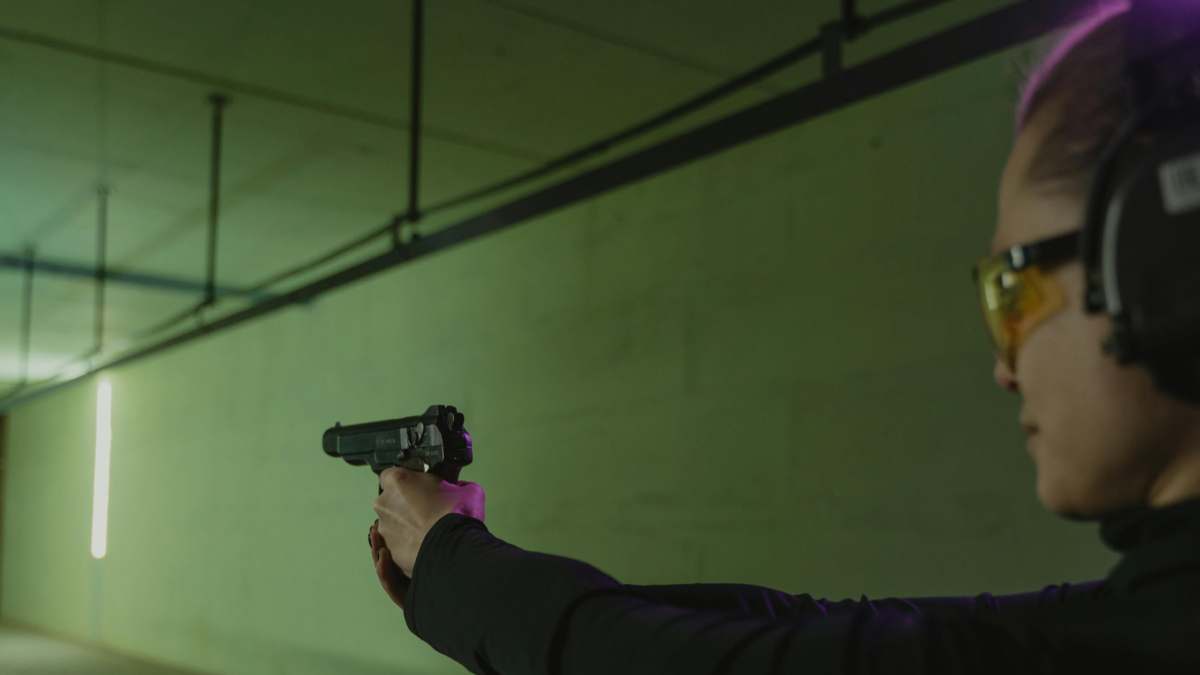
Pistol shooting grip pressure is something many shooters do not think about until their shots start drifting. The truth is, your grip decides if the bullet hits the ten or the seven. You can have a good stance, good sight picture, and still miss the target if your grip pressure is wrong.

I have seen this many times at the range. A shooter walks in, confident, ready to shoot. They align the sights perfectly. They pull the trigger, and the shot goes wide. Why? Because their grip was not right.

In this blog, we will talk about why grip pressure matters, common mistakes, and how you can fix them. These tips are practical. They come from real experience. And if you need hands-on guidance, Ronak Pandit Shooting Centre is a place where you can learn these fundamentals with expert coaching.

What Is Grip Pressure in Pistol Shooting?

Grip pressure is how firmly you hold the pistol. It sounds simple, but it’s not. Too tight, and you pull the gun off target. Too loose, and the gun moves during the shot. The right pressure keeps the gun stable without adding tension to your trigger finger.

Think of it like a handshake. You do not crush someone’s hand, and you do not let your hand slip. It is firm, controlled, and balanced. That is what your grip should feel like.

Why Grip Pressure Matters in Shooting Accuracy

Your grip controls the gun before, during, and after the shot. If the grip is wrong, your trigger pull won’t be straight. Even a small twist can move the muzzle by millimeters. On the target, that is the difference between a ten and a nine.

Too much pressure makes your hand shake. You start fighting the gun instead of controlling it. Too little pressure makes the gun recoil more. Your follow-up shots suffer.

And here is the thing – grip pressure affects your mind too. When you squeeze too hard, you build tension. That tension spreads to your shoulders, neck, and even your breathing. All this reduces your accuracy.

Common Mistakes Shooters Make with Grip Pressure

Most beginners think tighter is better. They squeeze the pistol so hard their knuckles turn white. That is mistake number one. The shot jerks because the trigger finger can’t move freely.

Another mistake is uneven pressure. Some shooters press harder with one hand than the other. This pulls the gun sideways.

Then there’s fatigue. You start the match with a good grip, but after ten minutes, your hands get tired. Your grip weakens without you noticing. Suddenly, your shots drift.

The last mistake? Changing grip between shots. If every shot feels different, your scores will show it.

How to Find the Right Grip Pressure: Practical Tips

So, how do you know the right grip pressure? Here are some tips that work:

  • Handshake rule: Hold the gun like a firm handshake. No crushing, no slipping.
  • Consistent pressure: Don’t grip harder when you aim or relax after the shot. Keep it the same throughout.
  • Trigger finger independence: Your finger should move without disturbing the gun. If the sights move when you press, your grip is too tight.
  • Breathing: When you exhale, don’t let your grip loosen. Many shooters make this mistake without realizing it.

Try this drill:
Unload your pistol. Hold it and press the trigger slowly. Watch the sights. If they move when you press, adjust your grip.

Also read, Pistol Shooting Drills to Improve Accuracy.

Advanced Techniques for Competitive Shooters

For competitive shooters, grip pressure becomes even more important. At high-level matches, the difference between first and fifth place can be one bad shot.

One technique is dry-fire drills. These drills help you check grip pressure without live fire. Stand in front of a blank wall. Hold your gun, focus on the sights, and press the trigger. If the sights jump, your grip needs work.

Another technique is mental rehearsal. Imagine the detail shot. Picture the sights staying steady as you press the trigger. This builds muscle memory and calmness under pressure.

At the Olympic level, shooters train for consistency. Every shot, every grip, every movement – identical. That comes from thousands of repetitions. And yes, it takes time. But that’s what makes the difference.

Pistol Shooting Grip Pressure Training at Professional Centres

So, can you fix grip pressure on your own? Maybe. But having a coach makes it faster and easier. A coach can spot what you miss.

At Ronak Pandit Shooting Centre (https://rpshootingcentre.com/), grip training is a big part of the program. Coaches guide you through drills, check your form, and correct your pressure. They know the small details that matter, like wrist alignment and finger position.

If you are serious about improving, getting feedback is worth it. You will avoid bad habits and save time.

Why Consistency in Pistol Shooting Grip Pressure Is Key

Consistency is everything in shooting. You can’t change grip pressure every few shots. The gun needs to feel the same, every single time.

Think of it like playing an instrument. A pianist does not change finger strength on every note. They keep it steady, controlled. Shooting is the same. Consistent grip pressure means consistent results.

How to Warm Up Before Shooting Practice

Your hands matter. Warm them up before practice. Do simple stretches. Rotate your wrists. Squeeze a soft ball for 30 seconds. This improves blood flow and reduces tension. A warm hand grips better than a cold, stiff hand.

Final Thoughts

Getting pistol shooting grip pressure right takes practice. It is not about strength. It is about balance, control, and consistency. Too much pressure, you fight the gun. Too little, you lose control.

Practice the handshake rule. Do dry-fire drills. Keep the pressure the same on every shot. And if you want expert help, Ronak Pandit Shooting Centre (https://rpshootingcentre.com/) is where you’ll find it.

Because in the end, the right grip pressure does not just improve your scores. It builds confidence. And confidence wins matches.

Register today and start improving your grip pressure.

Categories
Professional Shooter Women in Pistol Shooting Sports

Who is the Best Female Shooter in India?

Best Female Shooter in India – this question inspires thousands of shooters every day. When you see someone holding a pistol with calm confidence, hitting the target again and again, it feels like magic. But it’s not magic. It’s years of focus, practice, and discipline.

India is now a powerhouse in shooting sports. Our women shooters have brought home medals from the Olympics, World Cups, and Asian Games. They have shown the world that precision and patience can create champions. For every beginner standing on the shooting line today, these women are the reason you believe it’s possible.

Who is the Best Female Shooter in India?

If you ask this today, one name stands out – Manu Bhaker. She is young, fearless, and consistent. Manu has won medals at the ISSF World Cup, the Youth Olympics, and the Commonwealth Games. She shoots like it’s second nature – steady grip, calm breathing, and sharp focus.

But Manu is not the only star. There’s another name every shooter should know, a name that started it all.

Also read “Women in Pistol Shooting Sports: Breaking Barriers“.

Heena Sidhu: The Trailblazer and One of the Best

Before Manu, there was Heena Sidhu. She did not just shoot; she changed the way the world looked at Indian women in shooting. Heena was the first Indian woman to become World No. 1 in the 10m Air Pistol event. She also won gold at the ISSF World Cup and the Commonwealth Games.

What makes Heena special? Her patience. Shooting is not just about pulling the trigger. It is about silence inside your head when the whole stadium is watching. Heena mastered that. Her story tells us that champions are made through years of small, perfect shots.

Other Indian Women Who Made Shooting Proud

India has many names that shine bright:

  • Rahi Sarnobat – the first Indian woman to win an Asian Games gold in shooting.
  • Yashaswini Singh Deswal – World Cup champion in 10m Air Pistol.
  • Esha Singh – a young star who is already making headlines.
    Each of them started like every beginner, one shot at a time.

Lessons from the Best Female Shooter in India

What can you learn from these champions?

  • Control your mind first, then your shot. Pressure is your biggest rival.
  • Basics matter more than fancy gear. Stance, breathing, and trigger control are the foundation.
  • Practice is your best friend. Every missed shot is a lesson, not a failure.

Heena Sidhu once said, “Shooting is 90% mental and 10% technical.” If you understand this, you are already ahead.

How to Start Like the Best Female Shooter in India

Every champion started somewhere. If you are serious about learning, start with 10m Air Pistol shooting. It is the base of all pistol events. And train under coaches who have walked this path.

That is where Ronak Pandit Shooting Centre comes in. It is one of the best shooting centres in India. The centre is run by Olympian Ronak Pandit. You get structured training programs, experienced coaches, and a professional environment. Whether you are a beginner or an advanced shooter, this place gives you the right start. If you dream of standing on the podium one day, this is where you start writing that story.

Why Role Models Like Heena Sidhu Matter

When you see someone like Heena holding her pistol on the world stage, you see more than a shooter. You see what patience and discipline can do. You see a story that says, “If she can, why not me?” That’s why role models matter. They show us the way.

Conclusion

The Best Female Shooter in India is not just a title. It is a story of grit, patience, and countless hours of practice. Manu Bhaker holds that crown today. Heena Sidhu made it possible for her to dream big. Tomorrow, it could be someone reading this blog. Maybe you.

If you are ready to take the first step, start now. Visit Ronak Pandit Shooting Centre and train with the best. Your first shot could be the start of a champion’s journey.

Categories
Pistol Shooting

Dry Fire Practice Drills in Pistol Shooting: The Safest Way to Sharpen Skills

Introduction

Dry Fire Practice Drills are one of the most overlooked yet most powerful ways to improve as a shooter. They let you work on every part of your technique – stance, grip, sight alignment, trigger press – without firing a single live round.

This makes training safer, more cost-efficient, and more focused on building the habits that matter in competition or self-defense.

I have coached shooters who could not keep the sights still for more than a second. I have also trained national-level athletes preparing for high-pressure finals. The tool that helped both? Consistent dry fire work. The difference was in how seriously they approached it and how well they understood the drills.

What Are Dry Fire Practice Drills?

Think of this like rehearsing a stage play without the audience, lights, or noise. You are practicing movements and timing without the pressure of live fire.

In pistol shooting, dry fire practice means training with an unloaded firearm and going through the exact motions you’d use on the range — from the way you hold your stance to the way you breathe before pressing the trigger.

The goal is repetition with precision. Every movement should be deliberate. You want your body to “remember” the correct technique so that when you step onto the range, it feels automatic.

Also read about Pistol Shooting Drills to Improve Accuracy.

Benefits of Dry Fire Practice Drills

Dry fire is not just for beginners. Top shooters around the world use it to maintain sharpness between live sessions.

  • Safety – With no ammunition, you can train at home without the risks of a misfire.
  • Technique refinement – You can focus completely on fundamentals like grip pressure and sight picture.
  • Cost savings – Ammunition prices and range fees do not add up here.
  • Confidence building – Handling your pistol becomes second nature, so your focus shifts to performance.

It is like a violinist practicing finger positions before playing in a concert -boring to some, essential to those who want excellence.

Essential Dry Fire Practice Drills for Pistol Shooters

These are drills I have used with both new and competitive shooters. They cover the fundamentals and can be done in small spaces.

1. Sight Alignment Drill

Pick a small point on the wall. Bring your pistol up to eye level and focus on keeping the front sight steady. If it wobbles, check your stance and grip.

2. Trigger Control Drill

With sights aligned, press the trigger slowly. The front sight should not move at all during the press. Any movement means you are applying sideways pressure.

3. Presentation Drill

Start with the pistol down at your side. Raise it to the target in a smooth, single motion. Stop exactly where you want to aim.

4. Timed Holds

Once your sights are on target, hold that position for 10–30 seconds. This builds strength, endurance, and breath control.

5. Blank Target Drill

Aim at a plain sheet of paper or wall with no markings. This forces you to focus on the process rather than aiming for a specific score or point.

How to Structure Dry Fire Practice Drills at Home

Structure matters more than duration. You can improve in as little as 15–20 minutes if your approach is focused.

  1. Warm-up – Check grip, stance, and balance.
  2. Core Drills – Choose one or two drills per session and do them well.
  3. Cool-down – End with the drill you did best. It helps “lock in” the correct feel for your next session.

Avoid doing too much at once. Overtraining with dry fire can lead to mental fatigue and sloppy form.

Safety Rules You Cannot Skip

Even without live ammo, safety is non-negotiable.

  • Always confirm your pistol is unloaded – check twice, both visually and physically.
  • If your pistol type requires it, use snap caps or dummy rounds to protect the firing pin.
  • Only aim in a safe direction, with a solid backstop.
  • Eliminate distractions before starting – no TV, no phone calls.

Treat every dry fire session with the same seriousness as a live fire session.

Spotlight: Ronak Pandit Shooting Centre (RPSC)

In India, few training facilities approach fundamentals with the same detail as the Ronak Pandit Shooting Centre in Pune and Mumbai. Founded by international champion Ronak Pandit and Olympic medalist Heena Sidhu, RPSC blends years of competition experience with modern training tools.

Their method is simple but powerful – start with the basics, perfect them, then add live fire. New shooters spend considerable time on blank target dry fire drills before they ever fire a real shot. Competitive shooters use SCATT electronic training systems to track microscopic sight movements during trigger press.

This emphasis on structured dry fire shows up in their results – students not only shoot better, but they understand why they shoot better.

Tracking Your Progress

  • Keep a training notebook. Record date, drills, repetitions, and what felt right or wrong.
  • Use a mirror or phone camera to check your stance and draw.
  • Set small, measurable goals — for example, “hold sight picture steady for 20 seconds without movement” or “complete 10 perfect trigger presses in a row.”

When you review notes over weeks, you will see progress that might be invisible day to day.

Conclusion

Dry Fire Practice Drills are the foundation of accurate and confident shooting. They cost nothing, require minimal space, and can be done safely almost anywhere. Whether you are a beginner learning the basics or an athlete chasing Olympic scores, these drills help you build the muscle memory and mental discipline that carry over into live fire.

If you can train at a professional facility like Ronak Pandit Shooting Centre, you will get expert feedback and structured routines. If not, you can still start at home today. All you need is focus, consistency, and the willingness to practice the small details – because in shooting, the small details are what win matches.

Register today at Ronak Pandit Shooting Centre and be part of a training program that can take your shooting skills to the next level.

Categories
Air Pistol Sport

How Many Rounds Are in an Air Pistol Shooting? A Practical Guide for Shooting Enthusiasts

Walk into any air pistol shooting range and you will hear it. The quiet thud of pellets hitting targets, the deep breath before every trigger press, and the sound of pure focus. For someone just starting out or even training for nationals, one common question comes up: “How many rounds do we actually fire in air pistol shooting?”

This article breaks it down simply. Whether you are a young shooter, a parent, or someone already competing, this is for you. I will also share some things I have seen during real training sessions at places like Ronak Pandit Shooting Centre. Where serious shooters sharpen their game.

What is Air Pistol Shooting?

Air pistol shooting is a precision sport. You stand 10 meters away from the target. You hold a 4.5 mm air pistol with one hand. And you fire. Sounds simple, but it is not. Every small movement matters. Your wrist, your breath, even your heartbeat.

The target has a 10-ring center just 11.5 mm wide. That is about the size of a pencil eraser. Hit that 60 times, and you are not just good – you are elite.

This format is used in national, state, and even Olympic-level competitions. The ISSF (International Shooting Sport Federation) sets the rules.

How Many Rounds Are Fired in Air Pistol Shooting?

In a standard match, you fire 60 shots.

That’s the rule. 60 competition shots in the qualification round. Whether you are male or female, that is the number. Earlier, women had 40, but that changed. Everyone now shoots 60.

You get 75 minutes to complete them. You can also take unlimited practice shots before the match clock starts, called sighters. These do not count, but they help you settle in.

Let’s say you are shooting at a district event. You will stand in your lane, load one pellet at a time, and go through all 60 shots under the same pressure the pros feel.

Also read: How to Start 10 Meter Air Pistol Shooting Training as a Beginner

The Final Round: When Every Shot Feels Like a Tie-Breaker

If you are among the top 8 after qualifications, you enter the finals.

Here, the rules change. It starts with two series of 5 shots. After that, shooters fire one shot at a time. Every two shots, the lowest score is out. It is like musical chairs with pellets.

In total, a shooter in the final can fire around 24 shots. But each one carries more weight. One 8.9 can drop you from medal contention. I have seen shooters lose gold in the final two shots.

At Ronak Pandit Shooting Centre, coaches simulate this pressure. You will train like it is the final every single day.

How Training Differs from Competition

In training, you may fire anywhere between 100 to 200 rounds in a session.

But it is not about quantity. It is about focus. You learn to repeat your routine. Raise the pistol, align the sights, steady your hand, control your breath, press the trigger – like a quiet ritual.

Many new shooters get stuck on numbers. “Should I shoot 300 rounds today?” That is not the question. A coach at Ronak Pandit Shooting Centre once told a shooter. “I’d rather you shoot 40 good ones than 200 sloppy ones.” He was right.

How Young Shooters Learn to Handle 60-Round Matches

Shooting 60 rounds takes stamina. Not just physical, but mental. For beginners, even holding the pistol steady for 10 minutes is tough. Now stretch that to over an hour with full focus.

At training academies like Ronak Pandit Shooting Centre, you learn structure. You are not just taught how to shoot – you are taught how to manage time, deal with nervousness, and stay sharp during long sessions.

Coaches track each round. They check shot groups, breathing rhythm, hand movement. They help you understand why your 7.8 was not a mistake – it was a lesson.

It is Not Just About Rounds – It is About How You Shoot Each One

Think of each shot like a test. The pistol does not lie. You either did it right or you did not.

Air pistol shooting is not about firing endlessly. It is about repeating one good shot 60 times. That is harder than it sounds.

You could hit the 10-ring once by luck. But to hit it again and again? That takes control. And control comes from training.

At high-level academies, shooters learn to treat every round as the only one that matters. Because in a final, sometimes it really is.

Common Questions on Rounds in Air Pistol Shooting

How many shots should I practice every day?
Start with 50 good ones. Quality beats quantity. Increase as you improve.

Do beginners also shoot 60 shots?
Yes, but they usually build up to it. Start with 20–30 rounds, then work up to 60.

Are sighter shots allowed in a match?
Yes, unlimited before the match timer starts.

Is dry firing useful?
Very. You practice the movement without wasting pellets. It builds muscle memory.

Final Thoughts: Master One Shot, Then Repeat It

Air pistol shooting is simple on paper: one shooter, one pistol, one target. But mastering 60 rounds takes years of steady work.

If you are serious about it or your child is find a place that trains you not just to shoot, but to grow. Centres like Ronak Pandit Shooting Centre do just that.

Each round you shoot is a mirror. It shows who you are that day. Train to shoot well, not just to shoot more.

Ready to train? Registered now, stay consistent, and aim to be one of the top pistol shooters in the world.

Categories
Best Pistol Shooting Training Centres

The Best Pistol Shooting Training Centres for Every Age

Walk into any pistol shooting centre and you will see a mix. Kids holding air pistols with serious eyes, teenagers adjusting their stance, and adults quietly focusing on their next shot. The truth is, the best pistol shooting training centres do not just teach you how to shoot.

They know how to train people at different ages, for different reasons. A 10-year-old is learning to stay still. A 20-year-old aiming for a medal. A 40-year-old looking for focus.

And each one needs a different kind of guidance.

In this blog, we will break down what the best centres offer across age groups. If you are a parent, a teen, or an adult who wants to learn shooting seriously, this can help you choose the right place to start.

What Makes the Best Pistol Shooting Training Centres Different?

Not all centres are built the same. Some just offer a place to practice. The best ones? They build shooters.

Here is what they get right:

  • Trainers who adapt to the learner’s age and mindset
  • Customized drills based on skill level
  • Structured programs for Olympic formats like 10m Air Pistol or 25m Pistol
  • A focus on mental discipline, not just hitting targets
  • Clear safety systems that build confidence in every age group

Training a 12-year-old is not the same as coaching a 35-year-old. The best centres know when to correct, when to step back, and when to push.

For Kids: Learn the Basics Without Pressure

Kids do not need pressure. They need attention.

At this stage, training should feel like a mix of play and focus. The gun is light. The goals are simple – balance, stillness, breath control. The focus is not on scoring. It is on learning to love the sport.

We once had a student named Aarav. He was 10. Could not sit still for five minutes. After two weeks of basic pistol drills, something changed. He was quieter. More focused. His mother told us, “He’s even doing homework better now.”

That’s what good early-age shooting can do.

✅ Ronak Pandit Shooting Centre runs a junior batch with small group sizes. Coaches keep it light but structured. Safety rules are drilled in, not shouted. And kids walk out smiling, not scared.

Also, read “Pistol Shooting Drills to Improve Accuracy“.

For Teenagers: Build Discipline, Focus, and Competitive Skills

Teenage shooters are at the edge – old enough to compete, young enough to doubt themselves.

This is when coaching shifts. We focus on:

  • Trigger control
  • Match format drills
  • Pressure-handling
  • Breath and mind coordination

Many teens aim for the National Shooting Championship or the Junior India team. But even if they do not, learning to control the mind here helps in exams, sports, and even relationships.

Ronak Pandit Shooting Centre offers ISSF-standard training in 10m and 25m formats. With a clear focus on mental drills. Teens also get exposure to trial matches, not just dry practice.

You can also read “Discover the Best Shooting Training Center for Pistol Training“.

For Adults: Shoot for Precision or Passion

We see two kinds of adult learners.

One wants a podium finish. The other wants to shoot as a serious hobby. Both are welcome.

Adults can handle tougher schedules. Early morning batches, mental endurance sessions, and technical corrections.

Here, it is not just about hitting the 10-ring. It is about repeating it. Again and again. In silence. That kind of repetition trains the mind as much as the hand.

Ronak Pandit Shooting Centre works with adults aiming for national and international competitions. But even if you are not chasing medals, the focus on detail remains. You will be coached like a shooter. Not just a student.

For Working Professionals & Hobbyists: Reset the Mind

We train software engineers, doctors, and architects. Most walk in after work. Their bodies are tired, but their minds light up when they hold a pistol.

Why? Because shooting slows time.

No calls. No meetings. Just breath, trigger, stillness.

You like this article about “The Importance of Breathing While Shooting: Mastering Control for Accuracy“.

The best pistol shooting training centres understand this. They do not rush these learners. They offer weekend slots, flexible programs, and peaceful training spaces.

Ronak Pandit Shooting Centre offers flexible training batches that are designed for people with a life outside the range. You train at your pace. But the coaching remains sharp.

For Seniors: Learn Something New. Stay Sharp.

Some come to tick off a bucket-list goal. Others want to test their focus. Either way, age is not a block – it’s a boost.

Older shooters listen better. They process feedback. They take safety seriously. And many outperform younger ones in focus-based drills.

Ronak Pandit Shooting Centre respects this. Seniors are trained gently but seriously. Sessions focus on form, posture, and breath. And more than anything, the joy of learning.

How to Choose the Best Pistol Shooting Training Centres for Your Age

Here is a quick checklist:

  • Are the coaches certified and experienced in competitive formats?
  • Do they take safety seriously?
  • Is there structure in training or just open practice?
  • Do they have a track record of producing shooters?
  • Can you attend a trial session?

✅ If you are in Pune, Mumbai, or nearby, Ronak Pandit Shooting Centre checks all the boxes. They offer age-group batches, Olympic-standard ranges, and real coaching – not just supervision.

Final Word: Shooting is for Everyone

The best pistol shooting training centres are not defined by walls or guns. They are defined by how they treat the shooter.

Whether you are 9 or 59, a good centre knows how to teach you. It meets you where you are and pushes you a step ahead.

Shooting is not about age. It is about attention. And the right place will help you build it – one breath, one trigger, one session at a time.

Looking for structured pistol training that matches your age and skill level?

Check out Ronak Pandit Shooting Centre batches and see if it’s the right fit. Register Today.

Categories
Firing Range Near Me

Looking for a Firing Range Near Me? 7 Things You Must Check First

Most people search for a “firing range near me” when they are ready to get serious about pistol shooting. Maybe you have just started learning, or maybe you want to practice regularly. But here is the truth – not every firing range is the same.

As a coach at Ronak Pandit Shooting Centre, I have seen how the right place can shape a shooter’s mindset and skill. And I have also seen how the wrong environment can waste both time and energy.

So if you are looking for a firing range, do not just go with what is closest. Use this checklist to choose the right one.

7 Things to Check While Looking for a Firing Range Near Me

✅ Check #1 – Are Safety Protocols Clear and Strictly Followed?

Safety is not optional in shooting sports. It is the foundation.

I remember one young shooter – eager, focused, but a bit careless with trigger discipline. Our safety officer stopped the session. It was a small moment, but it built habits that stuck with him for life. Today, he is competing nationally.

A good range:

  • Has visible safety signs.
  • Does not tolerate unsafe behavior.
  • Gives safety briefings to every new shooter.

At Ronak Pandit Shooting Centre, safety comes first. Always. Coaches watch every lane. New shooters never practice alone. You can feel it when you walk in – the focus is sharp.

✅ Check #2 – Is the Coaching Staff Experienced and Certified?

A range is just a room with targets – until you add a coach who knows what to look for.

I have seen shooters stuck for months. One session with a qualified coach, and their grip, stance, or breath work improves. That is not magic. That is trained eyes.

Ask:

  • Who leads the coaching?
  • Do they have competitive experience?
  • Do they explain things clearly?

At our range, coaches are not just instructors. They are competitors, mentors, and guides. Some of them have trained under Olympians. Including me.

✅ Check #3 – What Kind of Pistols and Equipment Are Available?

You can not train for sport shooting with a poor-quality pistol. I once watched a beginner struggle to shoot a tight group. We swapped his air pistol for a competition-grade one, and his score jumped instantly.

A serious range:

At RPSC, every gun is calibrated. Every lane is maintained. We use the same kind of setups you’ll find in ISSF events.

✅ Check #4 – Is the Range Professionally Designed and Comfortable?

The setup matters. Cramped lanes, bad lighting, and poor ventilation will affect your focus.

I always say, “Your mind should only be on the sight picture – not the sweat on your back.”

Check:

  • Is there enough space between shooters?
  • Are the target systems updated?
  • Is the air quality decent?

At RPSC, we follow Olympic design. Electronic targets. Wide booths. Cool, clean air. You can focus on your aim – not the surroundings.

Also, read the article “Types of Shooting Sports in the Olympics“.

✅ Check #5 – Is It Easy to Reach the Firing Range?

Location plays a bigger role than most think. If getting to the range feels like a chore, you will skip practice.

Ask yourself:

  • Is the range close enough to visit regularly?
  • Is there safe parking?
  • Do you feel comfortable in the area?

Our Pune and Mumbai locations are both central and safe. That’s why we see college students, working professionals, and parents bringing their kids. They feel welcome here.

✅ Check #6 – Are There Proper Training Programs?

The goal is not just to shoot – it’s to improve.

A solid range should have:

  • A path from beginner to athlete.
  • Group training or 1-on-1 sessions.
  • Exposure to competitions.

At RPSC, we offer trial sessions, foundation courses, and competitive prep. Some students come for hobby practice. Others aim for the Olympic trials. We guide both with the same seriousness.

✅ Check #7 – Do Other Shooters Recommend the Place?

This one is simple. Talk to people. Read reviews. Ask around.

Good shooters stick with good ranges.

I still remember a father who walked in after reading three reviews from other parents. His daughter now competes at the state level. He later told me, “I just needed to know we were in the right place.”

At Ronak Pandit Shooting Centre, we do not just build shooters. We build confidence. Our shooters grow together – helping, sharing, competing.

Final Thoughts

Searching for a “firing range near me” is the first step. But the real question is – what kind of environment do you want to train in? Safe. Focused. Supportive. Serious.

That’s what we’ve built at Ronak Pandit Shooting Centre.

So next time you search for a firing range, keep this checklist handy. It will help you choose the right path – not just the closest one.

Register today and start your shooting journey.

Categories
Professional Shooter

Hall of Fame: The Top Pistol Shooters in the World You Should Know

This post is for shooters like you. Those who are looking for the top pistol shooters in the world. Not just to admire them. But to learn from them.

I have spent years on the range. Teaching. Competing. Missing. Hitting. And one thing is clear – if you want to get better at pistol shooting, you need to study the best.

We will look at global legends who have shaped this sport. And then we will talk about the Indian shooters who have shown us what is possible.

What Makes a Shooter ‘Hall of Fame’ Material?

Not everyone with a gold medal ends up in the Hall of Fame. It takes more.

  • Experience. Olympic medals. World Cups. Years of competing under pressure.
  • Consistency. Not just one win. But repeat wins.
  • Style. A signature way of shooting. Smooth. Sharp. Reliable.
  • Respect. From the shooting community. From coaches. From opponents.

In short, it is not about one lucky day. It is about a career that teaches others.

The Top Pistol Shooters in the World (Global Legends)

Here are some names every serious shooter should know:

# Shooter Country Why They Matter
1 Jin Jong-oh South Korea 4 Olympic golds. Calm under pressure. Legend in 10m and 50m pistol.
2 Ralf Schumann Germany Master of 25m rapid fire. Fast, clean, and focused.
3 Wang Yifu China 6 Olympic medals. Won even after collapsing from pressure.
4 Torsten Ullman Sweden Pioneer. Trained scientifically before it was common.
5 Doug Koenig USA Dominated Bianchi Cup. Known for practical pistol mastery.
6 Jerry Miculek USA World Records with revolvers. They have the fastest hands in the game.
7 Christian Reitz Germany Olympic and World Champion. Consistent in 25m rapid fire.
8 Vitalina Batsarashkina Russia Double Olympic gold in Tokyo. Strong in 10m and 25m.
9 Xie Yu China Current world #1 in 10m air pistol. Sharp and focused.
10 Kim Ye-ji South Korea Young, stylish, and precise. A name for the future.

🇮🇳 Indian Shooters Who Inspire Us

I’ve worked with many students who ask, “Can Indian shooters make it to the top?” My answer is always yes. And here’s proof.

Shooter What Makes Them Stand Out
Rahi Sarnobat First Indian woman to win World Cup gold in 25m pistol. Fought injuries. Stayed focused.
Ronak Pandit Former shooter. Now one of India’s best coaches. Trains elite athletes at Ronak Pandit Shooting Centre.
Heena Sidhu Former world #1 in 10m air pistol. First Indian woman to win gold in ISSF World Cup finals.
Manu Bhaker Youth Olympic gold medalist. Fast, fearless, and already a multi-time international medalist.
Abhinav Bindra (honorary) Rifle shooter, but still relevant. His gold inspired a generation of Indian shooters.

These names matter. Because they’ve trained like pros. Failed. Come back. And show us that Indian shooters belong on the world stage.

How the Best Shoot Differently

Every top shooter has a style. You can see it in how they stand. How they breathe. How they hold.

Jin Jong-oh doesn’t flinch. His grip is like a rock. His eyes don’t move.

Schumann? Like a machine. Shot after shot, the rhythm doesn’t break.

Miculek? You blink, and he’s already emptied the revolver.

Watching them is like watching a dancer who never misses a step.

What you can learn:

  • Build a repeatable routine.
  • Don’t rush the shot.
  • Train your mind before your trigger finger.

Also, read “How to Become a Sports Shooter in India: A Complete Guide“.

What Indian Shooters Can Learn

This is for every Indian student who walks into a range with big dreams.

Look at Rahi. She didn’t have perfect conditions. She trained through setbacks. She came back with gold.

Coaches like Ronak Pandit are building the next wave of shooters. They focus on fundamentals. Mental control. And honest effort.

Training at places like Ronak Pandit Shooting Centre can change how you shoot – and how you think.

Final Thoughts

Knowing the top pistol shooters in the world is not just about names. It is about learning from them. What they do right. What they overcome.

Study their technique. Watch their matches. Read their interviews.

And if you are shooting in India – know this: you have role models right here too.

Use that. And get to work.

Ready to train? Registered now, stay consistent, and aim to be one of the top pistol shooters in the world.

Categories
Pistol Shooting

What is Pistol Shooting as a Sport? A Beginner’s Guide

Pistol shooting as a sport is about hitting a target with accuracy using a handgun. It includes rules, training, and competitions. And just like any other sport, it takes practice and discipline.

The first time someone holds a pistol at a shooting range, it can feel a bit overwhelming. The sound, the weight, the silence right before the shot. But once that first round goes off, many people realize this is more than a hobby. It’s a sport that demands focus, control, and consistency.

Why Pistol Shooting as a Sport is More Than a Hobby

Shooting isn’t just about pulling a trigger. It requires mental focus, a steady hand, and good decision-making. In competitions, every point counts. One small mistake can cost a medal.

This sport is recognized globally. The Olympic Games include pistol events. National and local competitions happen regularly. Some shooters train for years to reach the top. But many do it for personal growth, not trophies.

At our shooting centre, we see this every day. A teenager struggling with improving focus in school after months of training. A working professional finds relief from stress. Pistol shooting as a sport teaches control, both physical and mental.

Types of Events in Pistol Shooting as a Sport

There are a few main formats in this sport. Each one tests a different skill:

  • 10m Air Pistol: This event is done indoors. Shooters fire pellets from a distance of 10 meters. It’s quiet, precise, and often the first step for beginners.
  • 25m Pistol: This format uses .22 caliber pistols. There are timed rounds that test both speed and accuracy.
  • Rapid Fire Pistol: Shooters have to shoot quickly at a row of targets. It’s fast-paced and intense.

Each event has its own rhythm. Some feel like chess. Others feel like sprinting. But they all need training and focus.

What You Need to Start

To get started, you don’t need much. Just a good coach, a safe range, and the right mindset. Most beginners start with air pistols. They are easier to handle and allowed at most training centres.

Safety gear is important. You need ear protection, eye protection, and proper range shoes. A basic starter kit is enough. As you improve, you can upgrade your gear.

We always tell our students, “Don’t worry about having the best gun. Worry about having the best control.”

Also, know more about How to Become a Sports Shooter in India: A Complete Guide.

Where You Can Train: Ronak Pandit Shooting Centre

If you’re in India and want to start pistol shooting as a sport, the Ronak Pandit Shooting Centre is a great place. Ronak Pandit is a former national champion and coach of top athletes. His centre is known for solid training and honest feedback.

We focus on basics. How you stand. How you breathe. How you press the trigger. Small things that make a big difference.

Some of our students have gone on to represent India. Others just enjoy the calm they feel when they shoot. Everyone has a different reason. But the training is the same. Clear, focused, and built on discipline.

Getting Better with Time

At first, it’s normal to miss. A lot. Some people struggle with hand shake. Others close their eyes when they shoot. That’s okay. Improvement comes slowly.

We recommend dry fire practice. That means practicing without bullets. It builds muscle memory. It’s boring, but it works.

We also focus on the mind. Breathing helps. So does routine. If you train at the same time every day, your body learns what to expect.

Know more about Why Ronak Pandit Shooting Centre is the Best Firing Range in India.

Final Thoughts

Pistol shooting as a sport is simple to understand, but hard to master. It rewards patience and consistency. It’s not about beating others. It is about beating your last score.

If you’ve been thinking about trying it, don’t wait. Find a centre, ask questions, and take your first shot. That one shot might change how you see focus, control, and yourself.

Ready to experience pistol shooting as a sport? Visit Ronak Pandit Shooting Centre and take your first shot today.

Categories
Air Pistol Sport

Getting Started with Air Gun Pistol Sports: A Beginner’s Guide

There’s something deeply grounding about standing still, one arm extended, eyes locked onto a target 10 meters away. Air gun pistol sports are not just about hitting the bullseye. It is all about focus, control, and growth.

I have been in this sport for over 20 years, both as a competitive shooter and now as a coach. I have trained national champions and watched complete beginners grow into serious competitors. And one thing remains constant: the journey always begins with one simple shot.

If you are looking to start air pistol shooting, this guide will help you understand the sport. Choose the right equipment, and take your first steps with confidence.

Why Air Gun Pistol Sports Are a Great Starting Point

Accuracy shooting teaches more than just target shooting. This helps us to develop discipline, patience, and mental clarity. Air gun pistol sports are the most accessible form of target shooting. The equipment is relatively lightweight and affordable. And the 10-meter distance is ideal for indoor training.

In this sport, strength takes a backseat to technique. It doesn’t matter how tall you are or how fast you run. What matters is how still you can stay and how well you can control your breath and movement. And that’s what makes it a perfect starting point for shooters of all ages.

Also read “How to Start 10 Meter Air Pistol Shooting Training as a Beginner“.

Choosing the Right Equipment for Your First Step

Start simple, but smart. A .177 caliber (4.5 mm) pre-charged pneumatic (PCP) air pistol is ideal for beginners. Brands like Steyr, Walther, and Feinwerkbau offer models that balance quality and comfort.

Before buying, test different models to see which fits best in your hand. The grip should feel like an extension of your arm – not too tight, not too loose. Trigger sensitivity also matters – a smooth, predictable pull is crucial for consistent shooting.

Also invest in basic safety gear: clear shooting glasses, ear protection (especially if you’re training in mixed ranges), and a pellet trap if you’re practicing at home.

Training Basics in Air Gun Pistol Sports

Training is where everything begins. At the Ronak Pandit Shooting Centre, we focus on building a strong foundation from day one.
The four basics of shooting form:

  • Stance: Feet shoulder-width apart, body slightly turned.
  • Grip: Firm, but not tense. You should feel in control, not rigid.
  • Sight alignment: Align the front sight precisely in the rear notch – this is where many beginners go wrong.
  • Trigger control: Press the trigger gently, not quickly. It’s like turning down the volume on a remote—not pressing a game button fast, but slowly and smoothly.

Breathing control is another crucial skill. A proper breath before every shot helps steady the hand and center the mind. When done right, shooting becomes almost meditative.

Here are some more 10m Air Pistol Shooting Tips: Master Your Aim and Control.

Ronak Pandit Shooting Centre: Where Champions Begin

Choosing the right place to train can change everything. At Ronak Pandit Shooting Centre, our goal is to guide each shooter from their first shot to their full potential.

With world-class facilities and personalized coaching, our programs cater to beginners, intermediates, and advanced athletes. We have trained national champions and international competitors. But more importantly, we have helped hundreds of everyday learners fall in love with shooting.

Our coaching approach is clear, practical, and disciplined. Whether you are preparing for your first match or learning how to hold the pistol correctly? Then here you will find guidance, structure, and support.

Discover Why Ronak Pandit Shooting Centre is the Best Firing Range in India.

Turning Practice into Progress

Progress in shooting is not about random improvement. It is all about consistency. Start with short sessions, focusing on form rather than scores. As your control improves, so will your results.

Here’s a simple training path:

Week 1: Dry firing and learning the stance.
Week 2-4: Grouping drills at 5 meters.
Month 2: Transition to 10-meter shooting with score tracking.

Record every practice. Track your grouping, posture corrections, and mental notes. In time, this will become your greatest tool for self-assessment.

Your First Competition: What to Expect

Competing is a vital part of air gun pistol sports. Local matches give you a feel for the real environment – timing, scoring, pressure. Most importantly, they help you to understand how to manage nerves.

Don’t expect perfection in your first match. Expect to learn. Every competition teaches you how to handle adrenaline. How to recover from a bad shot. And how to stay calm under pressure. That’s the real skill.

Final Thoughts: Your Shooting Journey Begins Now

The journey into air gun pistol sports is as rewarding as it is personal. It is about learning to control your body, focus your mind, and aim with intent. Whether you are starting for fun, focus, or future competition, your first step matters.

At Ronak Pandit Shooting Centre, we do not just teach people how to shoot. We show them how to grow.

Your first shot may not hit the 10, but it will start something bigger. And we are here to guide you every step of the way.

Register Today and start your journey.

Categories
Shooting Range

Why Ronak Pandit Shooting Centre is the Best Firing Range in India?

Not every firing range in India is built the same. Some are just empty halls with targets at the end. But if you are serious about pistol shooting if you are really looking to improve? Then the place you train matters. A lot.

I have seen many shooters waste time at places that are not built for real learning. I do not want that to happen to you. That is why I want to talk about a different range. It is not just another practice spot, this is a place where shooters grow. It is the Ronak Pandit Shooting Centre.

The Story Behind This Firing Range in India

When people search for a firing range in India, they often want two things: a place to train safely, and a place that actually helps them to improve. That is exactly why this centre exists.

Ronak Pandit is not just a name, he is an Olympian. He has coached champions. He stood behind shooters who went on to win medals. When he built this range, he did not guess what shooters needed. He already knew.

This is not a commercial setup. It is a centre designed by a shooter, for shooters. And that makes a difference.

What Makes It the Best Firing Range in India?

Let me break this down in plain terms. This range works well because it covers everything a pistol shooter needs. Here’s how:

1. You get a serious facility

The place is clean. It’s quiet. Targets reset quickly. The lighting’s controlled. That might not sound exciting. But trust me, these details help.

You do not get distracted. You do not waste time fixing gear. You just shoot and focus.

Discover the Best Shooting Training Center for Pistol Training

2. Coaches that know their stuff

You will see experienced coaches here. Most of them have either competed or trained under top mentors. They will watch how you shoot. Then they will give you simple advice you can actually use.

For example, I saw a coach correct someone’s wrist angle once. Tiny change. But suddenly, that shooter’s groupings got tighter. That is the kind of help you want.

3. Custom plans

No two shooters are the same. Some people just want to get comfortable with a pistol. Others are training for national competitions. The centre understands that.

You can train once a week. Or twice a day. The plan fits you – not the other way around.

4. It’s built around safety

They don’t take chances here. Every new shooter gets a safety brief. You wear gear. You follow rules. And someone is always watching. That makes the range calm and predictable – which is exactly what you want.

5. Real gear, real learning

You will train with Olympic-grade pistols if you are ready for that level. You will also learn how to handle a pistol, clean it, and store it properly. No flashy gimmicks – just real training, one step at a time.

Discover, Top 10 Pistol Shooting Tips for Beginners: Questions Every New Shooter Asks.

Why Does This Matter More Than a “Firing Range Near Me”

Sure, you can search “firing range near me” and find a dozen results. But proximity is not everything.

Think of it like cricket nets. Anyone can set them up. But only a few places turn casual players into Ranji-level athletes. Same with shooting. You can shoot at targets anywhere. But getting good? That takes more.

This range does not just give you space. It gives you structure. And guidance. And honest feedback.

That’s why it works.

Who Is This Range Built For?

You don’t need to be a pro to walk in here. I have seen complete beginners learn to shoot safely in just a few weeks. And I have also seen advanced shooters fine-tune their focus before a championship.

This is a good place for:

  • First-timers who want to learn the right way
  • Students preparing for police or armed forces
  • Serious pistol shooters aiming for competition
  • Coaches looking to train under a better system

How to Start

You won’t find loud banners or fancy promos. But the centre’s there -functioning quietly, training seriously.

You can book a session through the site or call ahead. If you are unsure, just visit once and watch. Nobody will pressure you. The range speaks for itself.

Bring your ID. Wear comfortable clothes. If you do not own a pistol, no problem – here will provide one. Just show up ready to listen and learn.

Final Thought

If you have been searching for a firing range in India, you will find options. But if you are looking for the right place to grow as a pistol shooter, then you already have your answer.

Ronak Pandit Shooting Centre is more than a range. It is where sharpshooters get sharper.

Register Today.